


.png)
If you have ever wondered whether that mineral sitting on the supplement shelf could actually help quiet a restless mind, you are not alone. Magnesium is one of the most talked about nutrients in the anxiety conversation right now, and for good reason. Let's walk through what the science actually says, which forms work best, how much you need, and when it makes sense to try it.
Key Takeaways
- Magnesium is an essential mineral that helps regulate various bodily functions, including nerve signaling, muscle function, and the stress response. Around half of U.S. adults do not meet the recommended intake, which may contribute to heightened anxiety symptoms.
- Most adults need roughly 310 to 420 mg of magnesium per day from food and supplements combined. The Tolerable Upper Intake Level from supplements alone is 350 mg per day.
- The best forms of magnesium for anxiety relief include magnesium glycinate, magnesium taurate, and magnesium l threonate. Magnesium citrate and magnesium oxide are more likely to cause digestive issues.
- A "food first" approach matters. Leafy greens, nuts, seeds, legumes, and whole grains are excellent food sources of magnesium that also support blood pressure control and better mental health.
- Anyone with severe anxiety, high blood pressure, kidney disease, or taking multiple prescription medications should speak with a healthcare provider before starting magnesium supplementation.
What Is Magnesium and Why Does It Matter for Anxiety?
Magnesium is a mineral found naturally in foods like spinach, pumpkin seeds, almonds, and dark chocolate. It is involved in over 300 enzyme reactions in the body, making it one of the most versatile essential minerals we consume. Magnesium plays a central role in nerve signaling, muscle function, energy production, and regulation of blood pressure and heart rhythm.
What makes magnesium especially relevant to mental health is its job in the nervous system. Magnesium is a neuroprotective agent, aiding in nerve transmission, and it supports the balance between excitatory and inhibitory signals in the brain. Think of it as a volume knob. When magnesium levels are adequate, the brain can turn down the "alarm" signals and turn up the "all clear" signals. When levels drop, the nervous system can get stuck in high alert, which often feels a lot like anxiety.
Modern diets heavy in ultra-processed foods tend to provide less magnesium than the body needs, which is one reason so many people may not get enough magnesium on a daily basis.
How Low Magnesium Can Show Up in Mood, Anxiety, and the Body
Magnesium deficiency is usually mild and chronic rather than dramatic. It builds gradually and its symptoms are easy to dismiss or confuse with other issues.
Common signs that might suggest low magnesium include:
- Muscle cramps and muscle spasms
- Eyelid twitching
- Fatigue and low energy
- Palpitations or racing heart
- Sleep problems
- Increased sensitivity to stress
Many of these physical symptoms overlap directly with anxiety symptoms. Restlessness, irritability, and trouble winding down at night can stem from both low magnesium and anxiety and depression, making it hard to tell which came first.
Here is the tricky part: standard blood tests often look normal even when body stores are low, because most magnesium lives inside cells and bone. Clinicians sometimes evaluate diet, symptoms, and risk factors together rather than relying solely on serum levels.
Key risk factors for being magnesium deficient include heavy alcohol intake, long-term use of certain medications like diuretics or proton pump inhibitors, poorly controlled diabetes, chronic digestive issues, and very restrictive diets. Importantly, stress and anxiety can deplete magnesium levels, and low magnesium levels can increase stress sensitivity, creating a frustrating cycle where each problem makes the other worse, essentially making anxiety worse.
How Magnesium May Help With Anxiety: The Science in Simple Terms
Let's translate what the research actually says without over-promising. Several small randomized trials and meta-analyses over the last decade found that magnesium supplements can moderately reduce subjective anxiety or stress scores, especially in people with low baseline magnesium intake or mild anxiety. A 2024 systematic review found that 5 out of 7 trials measuring anxiety showed improvement in self-reported symptoms. Effect sizes in meta-analyses tend to be small to moderate but statistically significant.
However, the evidence is mixed. Studies differ in form of magnesium, dose, and type of anxiety being measured (generalized, PMS-related, postpartum). There is no established magnesium dosage specifically for treating anxiety. Studies generally use doses between 75 and 360 mg of elemental magnesium daily for anxiety, typically over 4 to 8 weeks. Magnesium supplementation may be most helpful for those with low magnesium intake.
Magnesium may also indirectly reduce anxiety symptoms by improving sleep quality, reducing muscle tension, and supporting more stable blood sugar. Magnesium helps alleviate anxiety symptoms through several mechanisms rather than a single pathway.
As an illustrative example (not a guarantee): imagine someone with mild anxiety and poor sleep who eats few whole foods. After starting 200 mg of magnesium glycinate in the evening, they notice calmer racing thoughts at night and better sleep after about three weeks. By week six, their anxiety feels noticeably more manageable. That gradual timeline is typical.
How Magnesium Calms the Nervous System
Here is what happens under the hood, explained simply.
- NMDA receptor regulation. Magnesium sits in the "gate" of NMDA receptors in the brain, preventing them from being overstimulated by glutamate (the brain's main excitatory chemical). Magnesium helps regulate NMDA receptor activity and supports inhibitory GABAergic signaling, helping maintain a healthy balance between excitation and relaxation in the nervous system.
- GABA support. Magnesium supports GABA production, promoting calmness in the brain. GABA is the primary "relax and reset" neurotransmitter, and magnesium helps its receptors work properly.
- HPA axis modulation. Magnesium plays a role in regulating the HPA axis (hypothalamus-pituitary-adrenal), the body's stress command center. This means it can help regulate cortisol levels, reducing the overshoot of stress hormones in response to everyday stressors.
- Muscle and heart relaxation. Magnesium contributes to muscle relaxation and heart rhythm stability, so physical symptoms like tight shoulders, clenched jaw, or fast heartbeat may ease when magnesium status improves.
Magnesium, Sleep, and Night-Time Anxiety
Sleep and anxiety feed each other. Poor sleep raises stress levels, and high anxiety makes falling asleep harder. Magnesium often supports both at the same time.
Adequate magnesium can help reduce night-time cortisol spikes. Magnesium appears to support normal melatonin production and circadian regulation, although the exact mechanisms are still being studied. This dual action can help regulate sleep and make it easier to both fall asleep and stay asleep.
Magnesium glycinate and magnesium l threonate are commonly chosen in the evening because they are usually well absorbed and less likely to cause digestive discomfort. Most research shows gradual improvements in sleep quality over several days to a few weeks, not instant sedation.
A practical tip: many people prefer taking magnesium 1 to 2 hours before bed, away from certain medications it might interact with.
Best Forms of Magnesium for Anxiety Support
There are many magnesium salts and chelates available, each pairing magnesium with a different molecule (such as an amino acid or organic acid). This pairing affects how well your body absorb the mineral, whether it can cross the blood brain barrier, and how likely it is to cause digestive upset. The "best forms" depend on your goals: anxiety relief, sleep, constipation relief, or blood pressure support.
Magnesium Glycinate
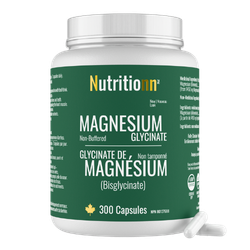
Magnesium glycinate is magnesium bound to glycine, an amino acid with its own calming and sleep-supporting properties. This form of magnesium is highly bioavailable and gentle on the stomach, making it a popular supplement form for anxiety, insomnia, and tension headaches. Magnesium glycinate is often recommended for anxiety relief by nutrition professionals. Glycine may also support GABAergic activity and help lower core body temperature slightly at night, which can improve sleep onset. Most people tolerate 200 to 350 mg elemental magnesium per day from this form well, but starting lower is wise.
Magnesium Taurate
Magnesium taurate combines magnesium with taurine, an amino acid involved in heart rhythm, blood pressure regulation, and calming brain activity. This form may be particularly appealing if your anxiety shows up as palpitations, a racing heart, or mild high blood pressure, though it is not a replacement for prescribed heart or blood pressure medication. Preliminary research suggests magnesium and taurine together may support heart health and help stabilize the autonomic nervous system.
Magnesium L-Threonate
Early studies suggest magnesium L-threonate may raise brain magnesium levels more effectively than some other forms, but long-term human evidence remains limited. Early research suggests benefits for cognitive function, working memory, and possibly mood, especially in older adults, though long-term data are still limited. Typical study doses are relatively high in capsule count (often 1,500 to 2,000 mg of the compound providing around 140 to 200 mg elemental magnesium), which makes this form more expensive.
Magnesium Citrate
Magnesium citrate is magnesium combined with citric acid. It is widely available and well absorbed but has a relatively strong laxative effect at higher doses. Magnesium citrate is commonly used but may cause digestive upset, including loose stools, even around 200 mg elemental magnesium in sensitive individuals. This form is often chosen when someone wants both raising magnesium levels and help with constipation, rather than primarily for anxiety relief.
Magnesium Oxide and Other Common Forms
Magnesium oxide is inexpensive and widely sold. It contains a high percentage of elemental magnesium but has low bioavailability and may cause digestive issues including diarrhea. While magnesium oxide may still help some people (for migraines or constipation), it is usually not the first choice when the main goal is to reduce anxiety. Other forms like magnesium malate (often used for energy production and muscle pain), carbonate, and sulfate (Epsom salts) have more modest evidence for direct anxiety benefits compared to glycinate, taurate, or l threonate.
Read supplement labels carefully. A product listing 1,000 mg of a magnesium compound does not mean 1,000 mg of elemental magnesium. The actual magnesium content is often much lower.
How Much Magnesium Should You Take for Anxiety?
There is no single "anxiety dose." Research uses a range of about 100 to 600 mg elemental magnesium per day, usually for 6 to 12 weeks, with mixed results. Common magnesium supplement doses range from 100 to 400 mg daily.
The Recommended Dietary Allowances for adults are around 400 to 420 mg per day for most men and 310 to 320 mg per day for most women. These totals include food and supplements together. How much magnesium you need from supplements depends on your magnesium intake from food.
The Tolerable Upper Intake Level for adults is 350 mg from supplements specifically. Higher doses tend to bring more side effects. Starting with 100 to 200 mg daily can minimize digestive side effects. Track anxiety, sleep, and digestion for 1 to 2 weeks, then consider gradual increases up to 300 to 350 mg supplemental if needed and tolerated. Always coordinate with a medical professional if you are on medications or have chronic health conditions.
Magnesium, Blood Pressure, and Physical Symptoms of Anxiety
Anxiety and high blood pressure often travel together. Stress elevates blood pressure, and feeling a racing heart increases anxiety. Research indicates that regular magnesium intake may modestly lower blood pressure, particularly in people with mild hypertension or low magnesium status.
Magnesium is not a replacement for prescribed blood pressure medications, but adequate magnesium from food and supplements can support overall cardiovascular health. By easing physical symptoms like palpitations, muscle tightness, and tension headaches, magnesium can help break the feedback loop where physical sensations fuel more worry. If you experience chest pain, sudden severe headache, or very high blood pressure readings, seek urgent medical care rather than self-treating.
Food Sources of Magnesium: Building a Calming Plate
A "food first" strategy gives you magnesium alongside fiber, antioxidants, and other essential minerals that support mood and metabolic health. Good dietary sources of magnesium include leafy greens, nuts, legumes, and whole grains.
These foods provide much more than magnesium alone. They also contain fiber, potassium, antioxidants, and other nutrients that work together to support overall health.
Top magnesium-rich foods (Approximate Mg per serving) include:
Pumpkin seeds (1 oz): 156 mg
Almonds (1 oz): 80 mg
Spinach, cooked (1/2 cup): 78 mg
Black beans, cooked (1/2 cup): 60 mg
Oats, cooked (1 cup): 55 mg
Dark chocolate 70%+ (1 oz): 50 mg
Green leafy vegetables, leafy greens, seeds, and whole grains form the backbone of a calming plate. A balanced diet rich in these foods supports not only magnesium status but also overall health. Excessive soda, very high sodium diets, and chronic heavy alcohol use can all increase magnesium loss.
How to Choose and Use a Magnesium Supplement Safely
Supplement shelves can feel overwhelming. Here are simple selection rules:
- Look for products that clearly list the amount of elemental magnesium per dose and specify the form (bisglycinate, citrate, l threonate).
- Choose products tested by independent organizations for purity when possible.
- Start with one form at a time, at a low dose, to see how your body responds.
Magnesium can cause side effects such as diarrhea and abdominal cramping, especially at higher doses. These are usually dose-dependent and reversible. Taking magnesium supplements with food can help.
Key interaction risks: magnesium can reduce absorption of certain antibiotics, bisphosphonates, and thyroid medication. Take magnesium at least 2 hours apart from these drugs and check with your medical provider.
Who Should Be Cautious or Avoid High-Dose Magnesium?
While magnesium is generally safe at recommended doses, some groups need extra caution. People with chronic kidney disease, those on dialysis, individuals with severe heart block, and those already taking magnesium-containing antacids or laxatives should consult a healthcare provider before taking magnesium supplements.
When kidney function is impaired, excess magnesium cannot be cleared efficiently. This can lead to toxic levels causing muscle weakness, very low blood pressure, abnormal heart rhythms, and in extreme cases, confusion or trouble breathing. Too much magnesium is rare at standard doses in people with normal kidneys, but combining several magnesium-containing products can accidentally push intake into unsafe territory. "Natural" does not always equal "risk-free."
Magnesium as Part of a Bigger Anxiety Care Plan
Anxiety is multi-factorial. Genetics, life events, sleep, diet, movement, and thought patterns all contribute. Magnesium is a helpful tool, not a magic switch. A comprehensive treatment plan might include sleep hygiene, regular movement, balanced meals, stress-reduction practices, and evidence-based therapies like cognitive behavioral therapy.
If anxiety is persistent, intrusive, or affecting work and relationships, a medical evaluation with a qualified mental health provider is important. Some people with severe anxiety benefit from anxiety medications alongside nutritional support. Magnesium can make it easier to engage with therapy by improving sleep and physical calm.
Consider tracking changes in anxiety, mood, and sleep quality in a simple journal when starting magnesium supplementation, so you can share concrete observations with your healthcare team and adjust the plan as needed.
Frequently Asked Questions
Here are answers to some of the most common questions that come up around magnesium and anxiety.
How long does it take for magnesium to help with anxiety?
Some people notice improved sleep or less muscle tension within a few days, but most clinical studies report meaningful changes in anxiety scores after 3 to 8 weeks of consistent daily use. Magnesium works by gradually restoring levels, not as an "as needed" remedy. If there is no improvement after about a month, review the plan with a healthcare professional.
Can magnesium make anxiety worse for some people?
For most people, appropriate doses of a gentle form do not worsen anxiety. However, digestive side effects like sudden urgency or cramping can themselves feel anxiety-provoking, especially in people with health anxiety. Choosing forms like glycinate or taurate and starting low helps. Stop the supplement and consult a clinician if you feel consistently more agitated or unwell.
Is it better to take magnesium in the morning or at night for anxiety?
Timing is flexible and largely personal. Many people find evening dosing helpful because it aligns with wind-down routines and may improve sleep. Those who feel slightly drowsy can take it 1 to 2 hours before bedtime, while those managing daytime tension might split the dose. Keep timing consistent for at least 1 to 2 weeks before deciding if it is working.
Can I get enough magnesium from food alone to help with anxiety?
Many people can reach recommended magnesium intake with a diet rich in leafy greens, nuts, seeds, legumes, and whole grains. For individuals with very high stress levels, certain health conditions, or poor appetite, meeting needs from diet alone can be harder. A simple 2 to 3 day food log can help you evaluate your current intake before deciding on supplement doses.
Is magnesium safe to combine with antidepressants or anti-anxiety medications?
Magnesium is often used alongside SSRIs, SNRIs, or other psychiatric medications, and some clinicians consider adequate magnesium status supportive for treatment outcomes. However, magnesium can affect absorption of certain medications if taken at the same time. Separate magnesium from prescription medications by at least 2 hours unless a prescriber advises otherwise, and never stop or change psychiatric medications on your own when starting magnesium. Does magnesium help with anxiety enough to replace medication? That is a conversation for your medical provider, not a decision to make alone.
Will magnesium help if my magnesium levels are already normal?
People with low dietary magnesium or low magnesium status may be more likely to benefit than those who already consume adequate amounts.
References
Boyle, N. B., Lawton, C., & Dye, L. (2017). The effects of magnesium supplementation on subjective anxiety and stress: A systematic review. Nutrients, 9(5), 429.
National Institutes of Health, Office of Dietary Supplements. (2024). Magnesium: Fact sheet for health professionals. Retrieved from https://ods.od.nih.gov/factsheets/Magnesium-HealthProfessional/
Phelan, D., Molero, P., Martinez-Gonzalez, M. A., & Molendijk, M. (2018). Magnesium and mood disorders: Systematic review and meta-analysis. BJPsych Open, 4(4), 167-179.
Rajizadeh, A., Mozaffari-Khosravi, H., Yassini-Ardakani, M., & Dehghani, A. (2017). Effect of magnesium supplementation on depression status in depressed patients with magnesium deficiency. Nutrition, 35, 56-60.
Schwalfenberg, G. K., & Genuis, S. J. (2017). The importance of magnesium in clinical healthcare. Scientifica, 2017, 4179326.
Souza, A. C. R., Vasconcelos, A. R., Prado, P. S., & Pereira, C. P. M. (2024). Examining the effects of supplemental magnesium on self-reported anxiety and sleep quality: A systematic review. Cureus, 16(4), e58547.
Zhang, Y., Chen, C., Lu, L., Knutson, K. L., Carnethon, M. R., Bhatt, D. L., & Yao, X. (2022). Association of magnesium intake with sleep duration and sleep quality. Journal of Affective Disorders, 312, 100-108.
.jpg)
.jpg)
.jpg)
.jpg)
.png)

.png)
.png)
.png)