


.png)
Picture this. A parent sits at the kitchen table after another exhausting evening of homework battles, fidgeting, and a bedtime that stretched an hour past schedule. They scroll through their phone, searching for anything that might help their child focus a little better, sleep a little easier, or feel a little calmer. The word "magnesium" keeps popping up. Could something that simple actually make a difference?
It is a fair question. Attention-deficit hyperactivity disorder, commonly known as ADHD, is a neurodevelopmental disorder that affects millions of school-aged children and adults worldwide. Its core symptoms, including inattention, hyperactivity, impulsivity, and impulsive behaviors, can make daily life genuinely harder for the people who live with it and the families around them.
Let me be direct from the start. Magnesium is not a cure for ADHD. It cannot replace established adhd treatment approaches like behavior therapy, structured routines, or medication when those are needed. But emerging research suggests this mineral may play a quiet, supportive role in brain health and symptom management, especially when levels are low.
This article walks through what current science (including recent clinical trials and reviews indexed in national library databases through approximately 2025) actually says about the connection between magnesium and ADHD. The goal is to keep things conversational, honest, and grounded in evidence, with scientific mechanisms translated into everyday language. By the end, you should have a clear picture of whether magnesium might be worth exploring as part of a broader plan, and how to approach it safely.
Magnesium 101: What This Mineral Does in the Body and the Brain
Magnesium is a vital mineral that supports hundreds of biochemical reactions in the body. It serves as a necessary component for more than 300 enzyme systems that regulate everything from energy production to DNA repair. Without it, your cells simply cannot do their jobs properly.
On the physical side, magnesium is essential for heart, bone, and muscle function. It acts as a necessary component for optimal muscle contraction and nerve signaling, which is why low levels can show up as muscle cramps or muscle weakness. It plays a key role in energy production by helping create ATP (the molecule your cells use as fuel). It is crucial for glucose metabolism and insulin sensitivity, which matters for steady blood sugar. Higher magnesium intake is associated with lower blood pressure, and higher magnesium levels are inversely associated with a reduced risk of heart failure. Adequate magnesium may also help combat chronic inflammation, a process linked to many chronic health problems.
In the nervous system, magnesium has a calming effect on nerve cells. It helps regulate the electrical signals that travel between your brain and body, supports a healthy, steady heart rhythm, and influences mood and stress responses. When magnesium is low, people tend to feel more sensitive to stress, more irritable, and sometimes more anxious. Magnesium is found in a variety of foods, with high-fiber foods generally being excellent sources. However, magnesium levels can be significantly decreased by some food processing techniques, which is one reason modern diets often fall short.
Because magnesium is so central to brain and nerve signaling, scientists started asking a logical question: could low magnesium be connected to attention problems and adhd symptoms?
ADHD in a Nutshell: Symptoms, Diagnosis, and What We Know About the Brain
ADHD, or attention-deficit hyperactivity disorder, is one of the most common neurodevelopmental conditions. It typically begins in childhood and frequently continues into adulthood. ADHD has a heritability rate of 70 to 80 percent, meaning genetics plays a major role. But environmental factors matter too. Maternal smoking during pregnancy increases ADHD risk. Low birth weight is linked to a higher risk of ADHD. Children exposed to lead may develop ADHD-like symptoms. And adhd symptoms can arise from brain injuries in childhood.
The following core symptoms fall into familiar categories. Inattention shows up as trouble paying attention, forgetfulness, careless mistakes, and poor organization. Hyperactivity looks like constant movement, fidgeting, and trouble sitting still. Impulsivity involves acting before thinking, difficulty waiting, and interrupting others. Children with adhd often struggle with inattention and impulsivity, and about 50 percent of children with ADHD face social rejection because of these behaviors.
To diagnose adhd, clinicians look for specific diagnostic criteria. Several symptoms must have been present for at least six months, they must have started before age 12, and they must cause clear problems in at least two settings (like home and school). There is no blood test. A thorough evaluation includes reviewing medical history, family history, school reports, and ruling out other medical conditions or learning disorders that can produce similar symptoms.
ADHD has three primary presentations:
- Predominantly inattentive presentation involves challenges with focus and organization. This adhd presentation is sometimes missed in younger children, and girls tend to be diagnosed with this form more often than boys.
- Hyperactive impulsive adhd (the hyperactive impulsive symptoms presentation) includes excessive movement, being overly active, and impulsive actions. Boys tend to show these symptoms more visibly.
- Combined presentation meets criteria for both inattentive and hyperactive-impulsive types.
Symptoms of ADHD can change over time and with life demands. Adults with ADHD may experience inner restlessness instead of the obvious hyperactivity seen in younger children. Many adults receive their adhd diagnosis later in life when work or family responsibilities increase.
Research from the National Institutes of Health and similar organizations has revealed subtle differences in brain structure in people with ADHD. Areas like the prefrontal cortex and basal ganglia, which control attention, impulse control, and reward processing, tend to be slightly different in size or activity. Head injuries and brain injuries during development can also affect these regions.
When it comes to adhd treatment, behavior therapy is recommended as the first-line treatment for preschoolers. For school-aged children and adults, stimulants are the first-line pharmacological treatment for ADHD, and about 70 percent of patients respond to the first stimulant tried. Atomoxetine is a non-stimulant approved for ADHD treatment. Combining medication with cognitive behavioral therapy can improve outcomes. Alongside these approaches, major clinical guidelines also emphasize healthy lifestyle habits, good sleep, and structured routines.
Nutrition, including magnesium status, is one of many risk factors under investigation. It is not the whole story, but it may be a relevant chapter.
How Magnesium Works in the Brain: Mechanisms Explained Simply
To understand why magnesium might matter in ADHD, it helps to know what it does inside the brain.
One of magnesium's most important jobs involves tiny structures called NMDA receptors. Think of these as gates on nerve cells that control how brain cells communicate with each other. At rest, magnesium sits inside these gates and keeps them closed, preventing signals from firing unnecessarily. When a nerve cell gets a strong enough signal, the magnesium moves aside, the gate opens, and information passes through. This system works like a brake that prevents the brain from overfiring. Without enough magnesium, those gates may open too easily, leading to over-excitation of brain cells, a process called excitotoxicity.
Magnesium also helps balance two important brain chemicals: glutamate (which excites neurons) and GABA (which calms them down). When magnesium drops too low, glutamate activity can increase while GABA activity decreases, leaving the brain in a more stimulated, restless state. This imbalance may contribute to the kind of restlessness, irritability, and anxiety that many people with ADHD experience.
There is also an indirect connection to dopamine and norepinephrine, the neurotransmitters most closely tied to attention, motivation, and executive control. ADHD involves differences in how these systems work in frontal brain networks. Magnesium helps support the enzymes involved in producing these neurotransmitters and protects the health of the neurons that use them.
Finally, magnesium plays a role in stress response and sleep regulation. It helps modulate cortisol (the stress hormone) and supports melatonin production. Since sleep problems and high stress can make adhd symptoms significantly worse, this is another pathway through which magnesium may indirectly influence focus, mood, and self-regulation.
Is There a Magnesium-ADHD Link? What Research Says So Far
Research does not show that magnesium deficiency causes ADHD. But it does suggest that low magnesium is more common in people with ADHD and may worsen attention and mood symptoms.
A meta-analysis published in 2019 pooled data from multiple observational studies and found that children with ADHD had serum magnesium levels roughly 0.105 mmol/L lower than children without ADHD. Another analysis focusing on both serum and hair magnesium found a moderate effect size (Hedges' g of approximately -0.547), meaning the difference between the ADHD and control groups was consistent and meaningful, though not enormous.
A large epidemiological study from China in 2024, involving over 4,100 children ages 6 to 18, found an inverse dose-response relationship between whole blood magnesium levels and behavior problems. Children in the lowest third for magnesium had about a 28 percent higher prevalence of behavior problems compared to those with the highest levels.
Some studies have also linked lower magnesium with more severe irritability, poor concentration, sleep disturbances, and increased risk of conduct disorder symptoms. However, it is important to note that many of these studies involve school-aged children, and we have much less data in adults.
The limitations are real. Many studies rely on serum magnesium, which represents only about one percent of total body magnesium and may stay "normal" even when intracellular stores are depleted. Sample sizes are often small, dietary controls vary, and environmental risks and coexisting conditions can confuse results.
There is also a chicken-or-egg problem. ADHD behaviors (impulsive eating, skipping meals, preferring processed foods) might lead to lower magnesium intake, rather than low magnesium driving ADHD. The relationship likely runs in both directions.
The bottom line: low magnesium appears common in ADHD and correlates with worse symptoms, but it is one piece of a complex picture, not the whole explanation.
Clinical Trials: What Happens When People With ADHD Take Magnesium?
Yes, there have been clinical trials where children and adults with ADHD received magnesium supplementation, usually alongside other nutrients. The results are cautiously encouraging, though far from definitive.
One of the stronger randomized controlled trials was published in 2021 by Hemamy and colleagues. In this study, 66 children with ADHD received either vitamin D (50,000 IU per week) plus magnesium (6 mg per kg of body weight daily) or a placebo for eight weeks. The active group showed significant improvements in emotional problems, conduct problems, peer difficulties, and overall behavioral scores. Both serum vitamin D and magnesium levels rose in the treatment group. The catch: because two nutrients were given together, it is hard to know which one drove the improvements.
An open-label pilot study in adults tested magnesium L-threonate (a form designed for better brain penetration) in 15 adults with ADHD over 12 weeks. About 47 percent of participants met criteria for clinical response, showing meaningful improvements in attention, executive function, and even IQ test scores. This is promising, but the study had no placebo control and included only a small number of participants.
A multisite randomized trial in 2021 tested a broad micronutrient formula (containing magnesium, zinc, vitamins, and amino acids) in children ages 6 to 12 with ADHD and irritable mood. Results showed modest benefits for irritability and emotional dysregulation, with smaller effects on core attention and hyperactivity.
Comparing results across these trials is tricky for several reasons:
- Different forms of magnesium were used (oxide, citrate, threonate, combined minerals)
- Doses varied widely
- Treatment durations ranged from 6 to 12 weeks
- Some studies combined magnesium with vitamin D, B6, zinc, or other minerals
- Outcome measures differed (parent reports vs. clinician ratings vs. cognitive tests)
- Baseline magnesium status varied
One consistent pattern stands out: the biggest improvements tend to appear in participants who had a clear magnesium deficiency at baseline. Correcting a deficiency seems to matter more than "boosting" an already adequate level.
As of mid-2025, no large multi-center trial has proven that magnesium alone is an effective primary ADHD treatment. Research suggests it may be a helpful adjunct, particularly when a deficiency is present. Evidence is promising but not definitive.
Magnesium, Vitamin D, and Other Nutrients: A Broader Nutritional Picture
Magnesium rarely acts in isolation. It interacts closely with other minerals and vitamins, creating a web of dependencies in the body.
One important connection is between magnesium and vitamin D. Magnesium is needed for the enzymes that convert vitamin D into its active form in the liver and kidneys. If magnesium is low, vitamin d may not work as effectively, even if blood levels of vitamin d look adequate. This matters because vitamin D deficiency is also frequently observed in ADHD research.
Zinc is another mineral often found at lower levels in children with ADHD. Some trials have tested combinations of zinc, magnesium, and omega-3 fatty acids, finding additive benefits for behavior regulation. But with multiple nutrients combined, isolating which one made the difference is difficult.
Magnesium-rich diets are linked to lower disease rates across many conditions, not just ADHD. Diets that emphasize whole foods, adequate fiber, healthy fats, and a variety of plant-based foods tend to supply not just magnesium but an entire package of brain-supporting nutrients. This broader dietary pattern likely has a greater long-term impact on mental health than any single supplement.
Who Might Be at Higher Risk of Magnesium Deficiency?
Population studies from the United States and Europe consistently show that about half of adults and a substantial proportion of children do not meet the recommended dietary allowance for magnesium. This widespread shortfall makes magnesium deficiency a real concern, not a rare exception.
Common risk factors include:
- Limited intake of whole grains, nuts, seeds, and green leafy vegetables
- High consumption of ultra-processed foods, sugary drinks, and caffeine
- Chronic stress (which increases magnesium excretion through urine)
- Heavy sweating from sports or physical activity without adequate replacement
- Certain medical conditions, like celiac disease, inflammatory bowel disease, and poorly controlled diabetes (magnesium deficiency is linked to increased risk of type 2 diabetes)
- Kidney disease or hormonal imbalances that affect mineral balance
- Long-term use of proton pump inhibitors, some diuretics, and certain other medications
Children and adults with ADHD may face additional nutritional risk. Picky eating, skipping meals, preference for low-nutrient convenience foods, and disorganized routines can all reduce magnesium intake. Some preliminary research has explored this, but the evidence is not strong enough to treat it as established.
Only a health professional can properly evaluate whether someone is truly deficient. If you suspect low levels, testing (ideally including red blood cell magnesium, not just serum) can provide a clearer picture of magnesium status.
Can Magnesium Improve ADHD Symptoms? What to Realistically Expect
Magnesium supplementation may help some individuals with ADHD, especially those who are deficient. But it is not a stand-alone adhd treatment, and setting realistic expectations matters.
The types of adhd symptoms most often reported to improve in studies and case reports include restlessness, irritability, sleep problems, emotional reactivity, and sometimes inattention or impulsivity. These tend to be the symptoms most closely tied to nervous system excitability and stress regulation, which makes sense given magnesium's calming mechanisms.
Changes, when they occur, are usually modest and gradual, typically unfolding over four to eight weeks. For cognitive improvements like working memory or sustained attention, the timeline may stretch to 10 to 12 weeks. Magnesium is not going to produce the rapid, noticeable shift that a stimulant medication might. Instead, think of it as quietly turning down the background noise so that other strategies (behavioral techniques, routines, medications) can work more effectively.
It is also worth remembering that most positive trial results come from studies where magnesium was combined with other nutrients or standard treatment. Improvements likely reflect a combination of factors, not magnesium alone.
The take-home message: magnesium may be one helpful piece of a larger plan that includes behavioral strategies, structured routines, adequate sleep, physical activity, and, when indicated, medications. It works best when it is filling a genuine gap.
Food Sources First: How to Get Magnesium From Everyday Meals
For most people, focusing on magnesium-rich foods is the safest and most sustainable first step. Obtaining magnesium from a diet rich in leafy greens, nuts, and seeds is beneficial because these foods also deliver fiber, healthy fats, and other brain-supporting nutrients.
Key food categories include:
- Leafy greens: spinach, Swiss chard, kale
- Nuts and seeds: almonds, cashews, pumpkin seeds, sunflower seeds
- Legumes: black beans, chickpeas, lentils
- Whole grains: oats, quinoa, brown rice, whole-wheat bread
- Other sources: mackerel, salmon, dark chocolate (high cocoa content), avocado
A few simple meal and snack ideas that work for both kids and adults:
- Oatmeal topped with pumpkin seeds and a handful of almonds
- Hummus with whole-grain pita and raw vegetables
- Bean and vegetable soup with a side of brown rice
- A small square of dark chocolate with a few cashews as an after-school snack
Highly processed foods tend to be low in magnesium content because refining strips away the mineral-rich parts of grains and seeds. Swapping even a few processed choices for whole-food alternatives can meaningfully increase daily magnesium intake.
Magnesium Supplements: Types, Doses, and Safety Considerations
Magnesium supplements should ideally be considered in consultation with a healthcare professional, especially for children, pregnant individuals, or anyone taking ADHD medications or other prescriptions. That said, understanding the landscape of dietary supplements helps you have a more informed conversation.
Magnesium supplements come in various forms, each with different absorption rates and best uses:
Magnesium supplements come in various forms, each with unique characteristics and uses:
→ Magnesium Citrate is frequently used to correct low magnesium levels and also acts as a natural laxative. It is well-absorbed by the body.
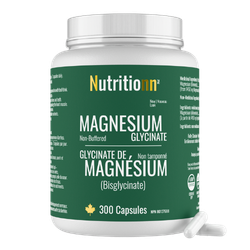
→ Magnesium Glycinate is known for its high absorption and gentle effect on the stomach. It is often preferred for promoting sleep and relaxation.
→ Magnesium L-threonate is marketed for brain magnesium availability, but evidence for superior clinical benefits in ADHD remains limited.
→ Magnesium Oxide contains a high amount of elemental magnesium but has low bioavailability. It is more likely to cause digestive side effects.
→ Magnesium Hydroxide is commonly used as an antacid or laxative rather than as a daily supplement.
→ Magnesium Malate is well-absorbed and often recommended for boosting energy levels.
→ Magnesium Taurate is commonly marketed for heart health and helps regulate blood pressure, making it a choice for cardiovascular concerns.
→ Magnesium Chloride is highly absorbable and aids in muscle recovery and maintaining electrolyte balance.
→ Magnesium Sulfate, commonly known as Epsom salt, is used in baths to soothe muscles rather than taken orally.
The recommended dietary allowance for magnesium is 400 to 420 mg for men and 310 to 320 mg for women. For children, values are lower and depend on age. Total intake from diet plus supplements should not exceed the established upper intake level (350 mg from supplements alone for adults) without medical supervision, since excess magnesium from supplements can cause diarrhea, cramping, and nausea.
Different forms are commonly used for different reasons, including improving sleep and relieving muscle cramps. Higher magnesium intake from supplements or food is associated with lower blood pressure. Magnesium may also help reduce the frequency of migraine attacks, which is relevant since migraine attacks and ADHD sometimes co-occur.
Groups that must be especially cautious include people with kidney disease (impaired kidneys cannot efficiently clear excess magnesium), those on multiple medications, and very young children. Magnesium can interact with certain antibiotics, thyroid medications, and bisphosphonates. Spacing supplement doses away from these medications is generally recommended.
A note on safety: magnesium from food is not a concern for toxicity, even in large amounts. The risks come from concentrated supplement forms, especially when taken without guidance.
Magnesium, Sleep, Mood, and Daily Functioning in ADHD
Sleep problems are remarkably common in ADHD. Research suggests that up to 75 percent of children and adults with the condition experience some form of sleep difficulty, from trouble falling asleep to restless nights. Mood disorders, anxiety disorders, and emotional volatility frequently accompany ADHD as well. These issues do not just coexist with ADHD; they actively make core symptoms worse. A child who slept poorly will have even more trouble paying attention and controlling impulses the next day.
This is where magnesium helps in a practical sense. Magnesium may support sleep indirectly through nervous system regulation and muscle relaxation. Small studies and observational data link higher magnesium intake with better sleep quality, lower perceived stress, and reduced symptoms of anxiety in general populations. While these are not ADHD-specific findings, the overlap is meaningful.
Improved sleep and mood can indirectly boost attention, emotional regulation, and impulse control. For someone managing ADHD, getting from five hours of fragmented sleep to seven hours of solid rest can make as big a difference as any supplement.
A few practical ideas that combine magnesium-rich foods with good sleep hygiene:
- A light evening snack with magnesium content, like a small handful of almonds or a banana with a spoonful of peanut butter, about an hour before bed
- A consistent bedtime routine with screens turned off at least 30 minutes before sleep
- A warm bath (magnesium sulfate or Epsom salt baths are popular, though evidence on absorption through skin is limited)
These are supportive measures, not cures. But stacking small, evidence-informed habits can add up to meaningful improvements in daily functioning, supporting a healthy lifestyle overall.
Putting It All Together: How to Talk With Your Clinician About Magnesium
Rather than starting a high-dose supplement on your own, take a structured, collaborative approach with your healthcare provider. Here are some specific questions worth asking:
- "Could low magnesium be one of the factors making my (or my child's) adhd symptoms worse?"
- "Is it appropriate to check magnesium status, and if so, which tests make sense beyond standard serum levels?"
- "Would focusing on dietary changes be enough magnesium, or do you recommend a trial of magnesium supplements?"
- "How would magnesium interact with the ADHD medications we are currently using?"
Share a complete list of all medications, over-the-counter products, and dietary supplements you already use. This matters because interactions are possible, even with something as seemingly simple as magnesium.
If your clinician agrees to a supplement trial, set clear goals and a time frame. For example, track sleep quality, mood, and attention over six to eight weeks using a simple daily log. Decide in advance what "success" looks like and when to stop or adjust.
Remember that evidence-based adhd treatment typically includes behavioral strategies and, when appropriate, medications. Nutrient support, including magnesium, fits best as part of a comprehensive plan, not as a replacement for approaches with stronger evidence behind them. ADHD presents differently in every person, so what helps one individual may not help another. Substance abuse screening, screening for anxiety disorders and mood disorders, and a full evaluation of mental health should all be part of the picture when environmental factors and disease control are being considered.
Conclusion: A Helpful Piece of the ADHD Puzzle, Not the Whole Picture
Magnesium is essential for healthy brain function, and many people simply do not get enough of it. The research consistently shows that low magnesium levels are relatively common in individuals with ADHD, particularly in children, and that this shortfall may worsen challenges like inattention, hyperactivity, mood swings, and sleep problems.
Current clinical trials are promising but limited. They suggest that correcting a magnesium deficiency may offer modest benefits, especially for irritability, emotional regulation, and sleep. But major ADHD guidelines from organizations like the Mental Health Services Administration and the National Institutes still recommend behavioral therapy, psychoeducation, and medication as primary treatments. Magnesium is a supporting player, not the lead.
The encouraging part is that paying attention to nutrition, including magnesium intake, is a practical, low-risk step that families and adults can explore with their healthcare teams. Whether that means adding more pumpkin seeds to your morning oatmeal, choosing whole grains over refined ones, or discussing a targeted supplement with your clinician, these are actions within your control. Sometimes the smallest adjustments, when guided by good evidence and professional support, contribute to meaningful change.
As referenced in the NIH magnesium fact sheet and the studies cited below, the science is still evolving. Stay curious, stay informed, and keep working with your healthcare team to find the combination that works best for you or your child.
References
Effatpanah, M., Rezaei, M., Effatpanah, H., Effatpanah, Z., Varkaneh, H. K., Mousavi, S. M., Fatahi, S., Rinaldi, G., & Hashemi, R. (2019). Magnesium status and attention deficit hyperactivity disorder (ADHD): A meta-analysis. Psychiatry Research, 274, 228-234. https://doi.org/10.1016/j.psychres.2019.02.043
Hemamy, M., Pahlavani, N., Amanollahi, A., Islam, S. M. S., McVicar, J., Askari, G., & Malekahmadi, M. (2021). The effect of vitamin D and magnesium supplementation on the mental health status of attention-deficit hyperactive children: A randomized controlled trial. BMC Pediatrics, 21, 178. https://doi.org/10.1186/s12887-021-02631-1
Johnstone, J. M., Hatsu, I., Tost, G., Srikanth, P., Eiterman, L. P., Bruber, A. B., Crawford, C. M., Berk, M., Brooks, A. K., Arnold, L. E., Young, A. S., Leung, B. M. Y., Gerdung, C. A., & Rucklidge, J. J. (2021). Micronutrients for attention-deficit/hyperactivity disorder in youths: A placebo-controlled randomized clinical trial. Journal of the American Academy of Child & Adolescent Psychiatry, 61(5), 647-661. https://doi.org/10.1016/j.jaac.2021.07.005
Robberecht, H., Verlaet, A. A. J., Breynaert, A., De Bruyne, T., & Hermans, N. (2020). Magnesium, iron, zinc, copper and selenium status in attention-deficit/hyperactivity disorder (ADHD). Molecules, 25(19), 4440. https://doi.org/10.3390/molecules25194440
Surman, C., Vaudreuil, C., Boland, H., Rhodewalt, L., DiSalvo, M., & Biederman, J. (2021). L-threonic acid magnesium salt supplementation in ADHD: An open-label pilot study. Journal of Dietary Supplements, 18(2), 119-131. https://doi.org/10.1080/19390211.2020.1731044
Skalny, A. V., Mazaletskaya, A. L., Ajsuvakova, O. P., Bjorklund, G., Skalnaya, M. G., Notova, S. V., Chernova, L. N., Skalny, A. A., Burtseva, T. I., & Tinkov, A. A. (2020). Hair trace element concentrations in autism spectrum disorder (ASD) and attention deficit/hyperactivity disorder (ADHD). Journal of Trace Elements in Medicine and Biology, 61, 126539. https://doi.org/10.1016/j.jtemb.2020.126539
Wang, L. J., Yu, Y. H., Fu, M. L., Yeh, W. T., Hsu, J. L., Yang, Y. H., & Pan, W. H. (2024). Association of whole blood mineral levels with behavior problems in school-aged children. Nutrients, 16(4), 520. https://doi.org/10.3390/nu16040520
Faraone, S. V., Banaschewski, T., Coghill, D., Zheng, Y., Biederman, J., Bellgrove, M. A., Newcorn, J. H., Gignac, M., Al Saud, N. M., Manor, I., Rohde, L. A., Yang, L., Cortese, S., Alber, D., Fino, E., Tenber, L., Tannock, R., Banerjee, T., Maayan, L., & Wang, Y. (2021). The world federation of ADHD international consensus statement. Neuroscience & Biobehavioral Reviews, 128, 789-818. https://doi.org/10.1016/j.neubiorev.2021.01.022
Mousain-Bosc, M., Roche, M., Polge, A., Pradal-Prat, D., Rapin, J., & Bali, J. P. (2006). Improvement of neurobehavioral disorders in children supplemented with magnesium-vitamin B6. Magnesium Research, 19(1), 46-52.
National Institutes of Health, Office of Dietary Supplements. (2024). Magnesium: Fact sheet for health professionals. https://ods.od.nih.gov/factsheets/Magnesium-HealthProfessional/
.jpg)
.jpg)
.jpg)
.jpg)
.png)

.png)
.png)
.png)