


.png)
You know the feeling. A week or so before your period starts, the bloating creeps in, irritability spikes for no clear reason, and suddenly, chocolate sounds like the only reasonable food group. About 75% of women experience PMS symptoms at some point during their reproductive years, and for many women, these recurring shifts in mood and body can quietly chip away at daily life, work, and personal relationships. Premenstrual syndrome (also called premenstrual syndrome, or PMS) is one of the most common yet undertreated concerns in women's health and reproductive health. This article explores how magnesium, a vital mineral involved in over 300 biochemical reactions in the body, may help relieve PMS symptoms, and what the science actually says.
What Is PMS and PMDD? A Quick, Clear Refresher
PMS is a cluster of physical and emotional symptoms that appear during the luteal phase of the menstrual cycle, typically one to two weeks before menstrual bleeding. The top three PMS symptoms are irritability, fatigue, and bloating, but common symptoms also include breast tenderness (sometimes described as tender breasts), headaches, sleep problems, food cravings, difficulty concentrating, reduced sexual desire, and mood swings. PMS symptoms usually stop shortly after menstruation begins, often within a day or two of when your menstrual period arrives.
PMS is related to hormonal fluctuations during the menstrual cycle. Changes in hormone levels, particularly estrogen and progesterone, interact with brain chemical pathways like serotonin, which may explain why hormonal changes affect some women more than others. When PMS symptoms begin before each cycle, and a woman's symptoms follow a predictable pattern, PMS can be diagnosed by tracking over at least two to three cycles, ruling out other disorders such as thyroid disease or depression, and sometimes performing a pelvic exam to exclude other medical problems.
Premenstrual dysphoric disorder (also known as premenstrual dysphoric disorder, PMDD) is a more severe form of PMS. Less than 5% of women have severe symptoms meeting PMDD criteria, which include intense emotional symptoms like hopelessness, severe mood swings, or anxiety that significantly impair functioning. A 2024 meta-analysis confirmed a global point prevalence of approximately 1.6% for strictly diagnosed PMDD.
How Common Is PMS? The Bigger Picture
Most women of childbearing age experience at least mild symptoms before their period. Research suggests about half of those with PMS have moderate symptoms that affect their routines, while a smaller group faces severe symptoms. PMS symptoms can disrupt daily activities for some women, straining work performance and family members' patience alike.
Premenstrual symptoms vary by region and are influenced by other factors like diet, stress, and public health conditions. PMS symptoms may worsen in the late 30s and 40s during perimenopause, although some data suggest PMS symptoms often decrease after age 35 for certain individuals. PMS typically ends after menopause when cycles stop. PMS symptoms often worsen as women approach menopause due to increasingly erratic hormonal fluctuations. These patterns make nutritional strategies, including magnesium, especially relevant for women navigating their 30s and 40s.
Magnesium 101: What It Does in the Body
Magnesium is essential for muscle health, nerve function, and cardiovascular health. It plays a key role in energy production and protein synthesis, acts as a muscle relaxant, is essential for nerve conduction, and helps manage blood pressure levels and regulates blood sugar.
In the nervous system, magnesium interacts with GABA receptors (the brain's main calming signal) and blocks overactive NMDA receptors (which carry excitatory stress signals). Think of magnesium as a gentle volume dial that turns down neural "noise." It also supports serotonin synthesis, the same brain chemical that selective serotonin reuptake inhibitors (SSRIs) target, connecting it directly to mood regulation. Magnesium also moderates the HPA axis, your body's central stress response system, which influences cortisol and hormone levels throughout the menstrual cycle.
Specialized forms have unique properties. Magnesium L-threonate can cross the blood-brain barrier and supports brain health. Magnesium taurate supports heart health and may help regulate blood pressure. Magnesium malate is easily absorbed and promotes energy production.
Magnesium and PMS: What the Research Suggests
A 2025 narrative review of clinical trials found that magnesium supplementation may reduce symptoms of PMS, particularly mood disturbances, anxiety, and fluid buildup. One key trial used 360 mg of magnesium pyrrolidone acid daily during the luteal phase for two months and found significant improvement in emotional symptoms, though pain and cramps did not respond as strongly. Another trial using 200 mg magnesium oxide daily showed that water retention improved only in the second month of continuous use, suggesting patience is needed.
A crossover trial combining magnesium with vitamin B6 showed improvements in anxiety and other symptoms compared to placebo. Vitamin supplements containing both nutrients are commonly chosen for this reason. A systematic review of observational studies found that serum magnesium differences between women with and without PMS were small and inconsistent, partly because blood tests capture only about 1% of total body magnesium.
For those with PMDD or severe symptoms, standard treatments remain important. SSRIs are effective antidepressants for treating PMS symptoms. Oral contraceptives can minimize PMS symptoms for some women. Gonadotropin-releasing hormone agonists create a temporary menopausal state and are reserved for extreme cases. Nonsteroidal anti-inflammatory drugs and over-the-counter pain relievers can lessen physical symptoms like cramps. Water pills may address severe fluid retention. Magnesium works best as a complement to, not a replacement for, other treatments and other medicines when symptoms are disabling.
How Magnesium May Help Specific PMS Symptoms
Not every symptom responds equally. Here is what evidence indicates:
- Mood, anxiety, irritability: Emotional symptoms, including mood swings and irritability, appear most responsive to magnesium. Its role in GABA and serotonin signaling may help smooth out premenstrual mood dips. However, severe depression or suicidal thoughts in PMDD require urgent care, not supplements.
- Cramps, tension, headaches: Magnesium may lessen physical symptoms like muscle tension and headaches by supporting muscle relaxation. Evidence for menstrual cramps is more mixed.
- Bloating, water retention, breast tenderness: Magnesium may influence fluid balance and reduce puffiness and breast tenderness, though effects are modest and typically appear after two cycles of consistent use.
- Sleep problems and fatigue: Magnesium's calming effect on the nervous system and role in melatonin production may help with premenstrual insomnia and the "wired and tired" feeling many women describe. Getting enough sleep remains essential alongside supplementation.
- Sugar cravings and blood sugar swings: Food cravings for sweets and complex carbohydrates are familiar premenstrual symptoms. Magnesium's role in insulin sensitivity may gently stabilize energy, though direct PMS evidence is still limited.
- Other symptoms, like difficulty concentrating and low sexual desire, are reported by other women but have less direct magnesium research behind them.
Who Might Benefit Most?
Groups at higher risk of low magnesium include those eating few green leafy vegetables and leafy vegetables generally, consuming high amounts of ultra-processed foods, experiencing chronic stress, or taking medications like proton pump inhibitors. Gastrointestinal conditions can also impair absorption. If you suspect a deficiency or have severe PMS, consult a healthcare professional before starting dietary supplements, especially if you have kidney or heart conditions.
Getting Magnesium from Food
Food sources of magnesium are preferred over supplements for better absorption. Magnesium is abundant in whole foods like leafy greens, nuts, seeds, and whole grains. A balanced diet built around these foods creates a strong foundation:
- Pumpkin seeds, almonds, cashews
- Spinach, Swiss chard, and other green leafy vegetables
- Black beans, chickpeas, lentils
- Oats, quinoa, brown rice
- Dark chocolate (70%+ cocoa)
The recommended daily allowance of magnesium is roughly 320 mg for women and 420 mg for men. Simple meal ideas for the premenstrual week include oatmeal topped with pumpkin seeds, chickpea salad with spinach, or yogurt with nuts and dark chocolate. Vitamin D from sunlight and food also supports overall cycle health.
Magnesium Supplements: Forms, Doses, and Tips
When food alone is not enough, magnesium supplements can help. Common forms differ in absorption and tolerability:
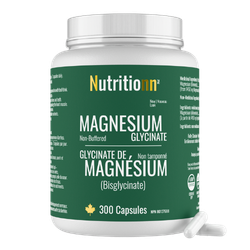
Magnesium supplements come in several forms, each differing in how well they are absorbed and what they are best known for. Magnesium glycinate is highly absorbable and gentle on the stomach, making it a popular choice for improving sleep and reducing anxiety. Magnesium citrate is also well absorbed and is commonly used to relieve constipation and for general supplementation. Magnesium malate is known for supporting energy production and is absorbed efficiently. On the other hand, magnesium oxide has low absorption and is often used as an antacid or to treat constipation rather than for boosting magnesium levels. Magnesium sulfate is typically used topically in baths to soothe sore muscles and reduce stress. When considering magnesium for PMS, studies have used doses ranging from 200 to 360 mg of elemental magnesium daily. It is recommended to start with a low dose, increase gradually, and allow at least two to three menstrual cycles to evaluate the effects.
Magnesium glycinate is highly absorbable and gentle on the stomach, favored for sleep and anxiety. Magnesium citrate is easily absorbed and known for relieving constipation. Magnesium oxide is poorly absorbed and is often used as an antacid or for constipation. Magnesium sulfate is used in baths to relieve sore muscles and stress. Studies on PMS used doses of 200 to 360 mg elemental magnesium daily. Start low, increase gradually, and allow at least two to three cycles to evaluate results.
Safety, Side Effects, and Interactions
Common side effects of high-dose supplements include loose stools, nausea, and stomach cramps. The supplemental upper limit for healthy adults is 350 mg per day from non-food sources. People with kidney disease, those taking certain diuretics, heart drugs, or antibiotics should avoid unsupervised use. Magnesium can reduce the absorption of some other medicines, like bisphosphonates and certain antibiotics, so spacing doses is wise.
Putting It All Together
PMS and PMDD are complex conditions shaped by hormones, brain chemistry, stress, and lifestyle. Magnesium is one useful piece of a broader plan. Lifestyle changes can help alleviate some PMS symptoms: exercise regularly, prioritize aerobic exercise, practice stress management, explore complementary therapies like massage therapy, and consider alternative medicines only with professional guidance. Regular exercise and enough sleep form the foundation.
To manage PMS symptoms and treat PMS effectively, track your symptoms for two to three cycles, increase magnesium-rich foods, consider a moderate-dose supplement if appropriate, and work with a provider if symptoms are severe. Magnesium will not erase PMS, but understanding this mineral gives you a practical, evidence-informed tool to reduce symptoms and reclaim comfort in your cycle.
References
Krupa, A. J., Zybała-Pawłowska, M., Kania, M., & Turek, J. (2025). Zinc, copper, and magnesium in premenstrual disorders: A narrative review. Pharmacological Reports. https://pmc.ncbi.nlm.nih.gov/articles/PMC12647176/
Sakai, T., et al. (2024). The prevalence of premenstrual dysphoric disorder: Systematic review and meta-analysis. Journal of Affective Disorders, 349, 110-120. https://www.sciencedirect.com/science/article/pii/S0165032724000764
Parazzini, F., Di Martino, M., & Pellegrino, P. (2017). Magnesium in the gynecological practice. Int J Environ Res Public Health, 14(10), 1199.
Ebrahimi, E., et al. (2012). Effects of magnesium and vitamin B6 on the severity of premenstrual syndrome. J Caring Sci, 1(4), 183-189.
National Institutes of Health. (2024). Magnesium: Fact sheet for health professionals. Office of Dietary Supplements. https://ods.od.nih.gov/factsheets/Magnesium-HealthProfessional/
Quaranta, S., et al. (2007). Pilot study of the efficacy and safety of a modified-release magnesium 250 mg tablet for the treatment of premenstrual syndrome. Clin Drug Investig, 27(1), 51-58.
Yonkers, K. A., O'Brien, P. M. S., & Eriksson, E. (2008). Premenstrual syndrome. The Lancet, 371(9619), 1200-1210.
Rapkin, A. J., & Mikacich, J. A. (2013). Premenstrual dysphoric disorder and severe premenstrual syndrome in adolescents. American Family Physician, 87(4), 238-243.
.jpg)
.jpg)
.jpg)
.jpg)
.png)

.png)
.png)
.png)