


.png)
A calf cramp that wakes you in the middle of the night can make a simple solution feel very appealing. Take magnesium, relax the muscle, get back to sleep.
That explanation sounds reasonable. Whether it works depends on what is causing the cramp and what the research actually tested.
If you are an adult dealing with painful leg cramps, especially cramps at night, this guide explains the evidence, dosage limits, adverse effects, and practical next steps.
The short answer: Magnesium glycinate can supply magnesium when a deficiency needs correcting, but it has not been shown reliably to prevent common nighttime leg cramps. Most evidence in older adults is unconvincing, and glycinate-specific evidence is limited. Pregnancy-related cramps, exercise cramps, and cramps associated with a medical condition need separate consideration. [1,2]
Why magnesium is connected to muscle cramps
Magnesium helps regulate nerve signals, muscle contraction, and energy production. A significant deficiency can cause muscle cramps or muscle spasms. That gives magnesium a legitimate role in this conversation. [3,1]
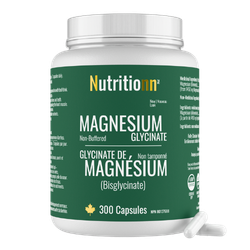
Magnesium glycinate, also called magnesium bisglycinate, is magnesium bound to the amino acid glycine. It is a supplemental source of the mineral. [4]
However, a nutrient's normal function does not tell us how much an extra dose will help a particular symptom. Before choosing a supplement, it helps to distinguish three questions: Is magnesium intake low? Is there a magnesium deficiency? Is that deficiency contributing to the cramps?
Those questions can have different answers.
Are leg cramps a sign of magnesium deficiency?
They can be, but cramps alone cannot establish the cause. Muscle overuse, certain medications, nerve problems, impaired circulation, and fluid or electrolyte disturbances are other possibilities. Sometimes no specific cause is found. [5]
Low magnesium becomes more relevant when there is a reason to suspect it, such as chronic diarrhea, a condition affecting nutrient absorption, or medication-related magnesium losses. Assessment may include your symptoms, medical history, and blood tests. Confirmed deficiency also requires attention to its cause; severe cases need medical management. [1]
A blood test measures serum magnesium levels, which do not fully reflect tissue stores. A clinician should interpret results alongside your health history; a normal result alone is not a reason to assume a hidden deficiency. [6]
It also helps to describe the sensation accurately. A skeletal muscle cramp involves sudden, painful tightening. Restless legs syndrome centers on an urge to move the legs, often with discomfort that temporarily eases with movement. These are different problems, even when both interrupt sleep. [5,7]
If you are trying to understand your risk, our magnesium deficiency guide explains the broader picture.
Does magnesium help with leg cramps at night?
For common nocturnal leg cramps, particularly in older adults, the overall evidence does not support routine magnesium supplementation to prevent them.
What the review found for idiopathic rest cramps
The 2020 Cochrane review included 11 randomized controlled trials involving 735 participants across several settings. In predominantly older adults with idiopathic rest cramps, meaning unexplained cramps at rest, magnesium was unlikely to produce a clinically worthwhile benefit in cramp frequency or severity. [2]
Trials comparing magnesium with placebo help explain why personal experiences and study conclusions can sound different. A change in cramp pain or weekly cramp rate matters most when it is greater than the change in the comparison group.
A 2017 trial found improvement in both groups
In a randomized trial of 94 adults, four weeks of magnesium oxide did not outperform placebo. Weekly cramps fell by about 3.4 in the magnesium group and 3.0 in the placebo group, with no statistically significant difference. [8]
That does not make the improvement imaginary. It means that getting better after starting a supplement does not, on its own, show that the supplement caused the change. A placebo-controlled comparison helps separate the treatment effect from changes that also happen without the active ingredient.
A 2021 trial reported a statistically significant benefit
A later trial randomized 184 adults to magnesium oxide monohydrate or placebo for 60 days; 175 completed the study. By the end, weekly cramp frequency had decreased by approximately 3.4 versus 2.6 episodes, favoring magnesium. The study also reported improvements in cramp duration and sleep quality. [9]
This finding deserves to be included. It also has boundaries: the trial tested a specific oxide monohydrate product, received manufacturer funding, and was registered retrospectively. It does not establish that magnesium glycinate produces the same result. [9]
A 2026 trial did not find fewer cramps with magnesium
In a Finnish trial, 121 adults aged 50–85 were randomized to compression stockings, oral magnesium, or placebo. After a four-week observation period, treatment lasted four weeks. The magnesium group received 250 mg of elemental magnesium daily, using a preparation other than glycinate. [10]
Compared with placebo, the adjusted difference was 0.20 fewer cramps per week. The estimate was imprecise: its 95% confidence interval ranged from 1.49 fewer to 1.09 more cramps per week. There was no statistically significant reduction in cramp frequency. [10]
Taken together, these trials comparing magnesium with placebo leave room for further research into particular formulations and populations. They do not provide a reliable basis for promising that magnesium supplements will stop ordinary nighttime cramps in older adults.
Has magnesium glycinate itself been studied for cramps?
Yes, but the often-cited trial involved pregnancy-related leg cramps. Its findings should not be generalized to everyone with a cramping calf.
The trial, published in a 2015 journal issue, randomized 86 pregnant women; 80 completed the study. Participants received placebo or magnesium bisglycinate providing 300 mg of elemental magnesium per day for four weeks. The authors reported that more participants taking magnesium achieved at least a 50% reduction in cramp frequency and intensity. [11]
However, Cochrane reviewers flagged inconsistent cramp reporting and missing-data handling that could favor magnesium, reducing confidence in the finding. [2]
A separate Cochrane review of treatments for pregnancy-related cramps also found inconsistent magnesium results and low or very low certainty evidence. Information about broader pregnancy and infant safety outcomes was insufficient. [12]
For pregnant women considering magnesium supplementation, the first step is a conversation with their prenatal clinician. The dose used in one study is not a recommendation to add it to a prenatal supplement, and the trial cannot establish a universal dose for other adults.
Why the formulation and patient group matter
When comparing magnesium salts and chelated forms such as glycinate, look for research in people with the same type of cramps. Results in one patient group do not establish treatment efficacy in another. This matters when applying findings from pregnant women to older adults with idiopathic cramps.
What about exercise-associated muscle cramps?
A cramp near the end of a run is not automatically a magnesium problem. Exercise-associated muscle cramps can reflect several interacting factors, including fatigue and the demands placed on a particular muscle. Prevention is more useful when it addresses the individual's pattern rather than assuming one explanation for every athlete. [13]
For an active cramp, stop or reduce the activity and gently stretch the affected muscle until it eases. For recurring episodes, review when they happen: a faster pace, a longer session, unfamiliar exercise, or a fatigued muscle may be relevant. Hydration and electrolyte replacement can matter in context, but simply adding more magnesium is not a proven solution. [13]
The 2020 Cochrane review found no eligible randomized trials evaluating magnesium for exercise-associated cramps. The evidence reviewed here does not establish that glycinate prevents them. [2]
How much magnesium glycinate should you take for muscle cramps?
There is no established magnesium glycinate dose for preventing common leg cramps. A sensible dose for correcting a dietary shortfall is a different question from an effective treatment dose for cramps.
For healthy adults in the United States and Canada, the reference numbers are:
- Recommended total daily intake for women who are not pregnant: 310–320 mg, depending on age
- Recommended total daily intake for men: 400–420 mg, depending on age
- Upper limit from supplements and magnesium-containing medicines: 350 mg per day without clinician-directed treatment
The recommended intake includes food and beverages. The supplemental upper limit excludes magnesium naturally present in food and water. These numbers guide nutritional adequacy and safety; they are not targets for treating cramps. [14]
Compare the elemental magnesium per serving, which is the mineral amount rather than the weight of the entire compound. Check how many capsules or scoops make up that serving. [6]
A bottle providing 200 mg per serving does not become a proven cramp treatment because the number sounds reasonable. High doses are not a shortcut to better results, and persistent cramps are not a reason to keep escalating the dose.
Start by looking at your usual meals
Magnesium-rich foods include beans, lentils, nuts, seeds, whole grains, and leafy green vegetables. Bringing these into meals is a practical way to improve magnesium intake while adding other nutrients. [3]
That could mean beans in a rice bowl, pumpkin seeds over yogurt, or a handful of almonds alongside a snack. You do not need to build a separate “anti-cramp diet.” Start with changes you would be comfortable repeating.
If a supplement is appropriate, its job should be clear: helping meet a nutritional need identified from your diet and health context. Whether your cramps improve remains a separate outcome to assess.
What can you do when cramps keep happening?
You can take the symptom seriously without immediately buying a stronger supplement.
During a typical cramp: Gently stretch or massage the muscle. For a calf cramp, carefully lengthening the calf may help. Regular calf stretching, including before bed, may reduce nighttime episodes for some people, although it is not guaranteed to prevent them. [15]
Track cramp frequency, cramp duration, and cramp intensity
Between episodes, keep a simple record before changing several things at once. Cramp frequency means how often episodes happen; cramp intensity describes how painful they feel. Note:
- When the cramps occurred and which muscle tightened.
- Approximate cramp duration and how painful it felt.
- Whether the episode woke you or followed exercise.
- Recent changes in medicines, supplements, activity, or fluid losses.
The aim is to make a useful pattern visible, not to monitor every sensation. Bring the record to a healthcare provider if the problem persists.
If you are already taking magnesium supplements: Separate the reason for taking them from the result you hoped for. Has a clinician recommended magnesium therapy for a deficiency? Are you filling a dietary gap? Or are you continuing only because the cramps have not stopped yet?
If you and your clinician agree on a trial of magnesium supplementation for symptoms, set a review point and decide what improvement would matter, such as fewer nights interrupted by cramps. Agree in advance what to do if there is no clear benefit. Discuss other cramp therapies based on the likely cause instead of combining supplements without reviewing their ingredients.
Adverse effects and safety of magnesium supplements
Kidney disease needs particular care: impaired kidneys may not clear extra magnesium effectively. Supplements can also cause diarrhea, nausea, or abdominal cramps. [6]
Magnesium can reduce absorption of certain antibiotics and oral bisphosphonates used for osteoporosis. A pharmacist can check whether your medicines need to be separated from it and by how long. [6]
Before starting magnesium, review the full list of what you take, including multivitamins, antacids, and laxatives. Our magnesium glycinate side-effects and interactions guide covers these considerations in more detail.
When should cramps be assessed?
Arrange an assessment if cramps are frequent, severe, persist despite simple measures, or occur with muscle weakness. Cramps that repeatedly disrupt sleep, last longer than 10 minutes, or come with numbness also deserve attention. [5,15]
Seek urgent care for new one-sided leg pain with swelling or a change in skin color. If this occurs with chest pain or shortness of breath, seek emergency care. These symptoms should not be treated as an ordinary cramp or a reason to try magnesium first. [16]
Where magnesium glycinate fits
There is a useful place for magnesium supplements in a nutrition plan when there is a nutritional need. Repeated cramps deserve their own assessment, including the pattern of symptoms and what else may be contributing. Correcting a shortfall and using extra magnesium to prevent muscle cramps are different goals.
The goal is to find an approach that helps you. A supplement is most useful when you can explain why you are taking it and how you will judge whether it is doing that job.
Considering a supplement? Use our magnesium dosage guide to understand elemental amounts, total intake, and the questions to bring to your healthcare provider.
MagnesiumGlycinate.org is published by the team behind Nutritionn. This article is for education and does not replace individualized medical advice.
Frequently asked questions
How long does magnesium glycinate take to work for leg cramps?
There is no reliable, evidence-based onset time for glycinate and common nighttime cramps. The small pregnancy trial assessed four weeks, while a positive trial using oxide monohydrate lasted 60 days. Neither establishes when, or whether, glycinate will help your cramps. It should not be presented as an instant-relief supplement. [11,9]
Is magnesium glycinate better than citrate for muscle cramps?
Good comparative clinical evidence has not established glycinate as superior for cramp prevention. Differences in formulation and tolerability should not be treated as proof of better cramp relief. [2] Magnesium citrate is generally absorbed more completely than magnesium oxide; loose stools remain a possible trade-off with oral magnesium. [6] Our comparison of magnesium forms explains the broader differences.
Is it better to take magnesium at bedtime for cramps?
Some trials used bedtime dosing, but that does not prove bedtime is better than another time. A 2017 bedtime-dosing trial found no advantage over placebo. If magnesium is appropriate for you, follow the label and medication-spacing advice rather than assuming a nighttime dose will prevent cramps. [8]
Why do I still get cramps while taking magnesium?
Magnesium may not address the cause of your cramps. Their persistence is a reason to reassess the pattern and possible contributors, rather than assume the dose is too low. Frequent or severe symptoms should be discussed with a healthcare provider. [5]
Can magnesium supplements cause cramps?
They can cause abdominal cramping, often alongside diarrhea. That is different from a calf or foot cramp. New symptoms after starting a supplement deserve review, particularly if you have kidney disease or are taking other magnesium-containing products. [6]
Should I take potassium instead of magnesium for leg cramps?
Leg cramps do not identify which electrolyte, if any, is low. Potassium, calcium, and magnesium disturbances can contribute, but so can non-nutritional causes. An assessment is more useful than switching between minerals or combining them based only on the symptom. [5]
References
- MedlinePlus. (2025, May 19). Magnesium deficiency. U.S. National Library of Medicine.
- Garrison, S. R., Korownyk, C. S., Kolber, M. R., Allan, G. M., Musini, V. M., Sekhon, R. K., & Dugré, N. (2020). Magnesium for skeletal muscle cramps. Cochrane Database of Systematic Reviews, 2020(9), Article CD009402. DOI: 10.1002/14651858.CD009402.pub3
- MedlinePlus. (2025, January 21). Magnesium in diet. U.S. National Library of Medicine.
- National Center for Biotechnology Information. (n.d.). PubChem compound summary for CID 84645, magnesium glycinate. Retrieved October 9, 2026.
- MedlinePlus. (n.d.). Muscle cramps. U.S. National Library of Medicine. Retrieved October 9, 2026.
- National Institutes of Health, Office of Dietary Supplements. (2026, January 6). Magnesium: Fact sheet for health professionals.
- National Institute of Neurological Disorders and Stroke. (n.d.). Restless legs syndrome. National Institutes of Health. Retrieved October 9, 2026.
- Roguin Maor, N., Alperin, M., Shturman, E., Khairaldeen, H., Friedman, M., Karkabi, K., & Milman, U. (2017). Effect of magnesium oxide supplementation on nocturnal leg cramps: A randomized clinical trial. JAMA Internal Medicine, 177(5), 617–623. DOI: 10.1001/jamainternmed.2016.9261
- Barna, O., Lohoida, P., Holovchenko, Y., Bazylevych, A., Velychko, V., Hovbakh, I., Bula, L., & Shechter, M. (2021). A randomized, double-blind, placebo-controlled, multicenter study assessing the efficacy of magnesium oxide monohydrate in the treatment of nocturnal leg cramps. Nutrition Journal, 20, Article 90. DOI: 10.1186/s12937-021-00747-9
- Kuusipalo, A., Laitila, J., Lehtonen, E., Joensuu, J., Mustajoki, P., Mustonen, P., Huhtala, H., Kaila, M., & Koskela, T. H. (2026). Secondary prevention of leg cramps using compression stockings or magnesium supplements: A three-arm randomized clinical trial. Trials, 27, Article 216. DOI: 10.1186/s13063-025-09370-z
- Supakatisant, C., & Phupong, V. (2015). Oral magnesium for relief in pregnancy-induced leg cramps: A randomised controlled trial. Maternal & Child Nutrition, 11(2), 139–145. DOI: 10.1111/j.1740-8709.2012.00440.x
- Luo, L., Zhou, K., Zhang, J., Xu, L., & Yin, W. (2020). Interventions for leg cramps in pregnancy. Cochrane Database of Systematic Reviews, 2020(12), Article CD010655. DOI: 10.1002/14651858.CD010655.pub3
- Miller, K. C., McDermott, B. P., Yeargin, S. W., Fiol, A., & Schwellnus, M. P. (2022). An evidence-based review of the pathophysiology, treatment, and prevention of exercise-associated muscle cramps. Journal of Athletic Training, 57(1), 5–15. DOI: 10.4085/1062-6050-0696.20
- Health Canada. (n.d.). Dietary reference intakes tables: Reference values for elements. Retrieved October 9, 2026.
- National Health Service. (2023, December 1). Leg cramps.
- National Health Service. (2026, April 30). DVT (deep vein thrombosis).
.jpg)
.jpg)
.jpg)
.jpg)
.png)

.png)
.png)
.png)