


.png)
If you have been wondering whether something as simple as a mineral could help manage your blood pressure, you are not alone. Magnesium is one of the most talked-about nutrients in cardiovascular health right now, and for good reason. But what does the science actually say? Let’s walk through the evidence, the biology, and the practical steps so you can make informed choices for your own health.
Medical Disclaimer
This article is intended for educational purposes only. It is not intended to diagnose, treat, cure, or prevent hypertension or any other medical condition, and it should not replace individualized advice from a qualified healthcare professional.
Do not start, stop, or change prescribed blood pressure medication based on this information. Magnesium supplementation should be reviewed with a healthcare professional, particularly if you have kidney disease, reduced kidney function, a heart-rhythm condition, are pregnant, or take multiple medications.
Key Takeaways
- Magnesium supplementation may modestly reduce blood pressure. A 2025 meta-analysis of 38 randomized controlled trials found average reductions of about 2.8 mm Hg in systolic pressure and 2.0 mm Hg in diastolic pressure compared with placebo. Individual results varied substantially across the studies.
- Larger average reductions were seen in people with hypertension who were already using blood pressure medication and in people with hypomagnesemia, meaning clinically low blood magnesium. In groups with normal blood pressure, the overall effect was not statistically significant.
- There is no officially established magnesium dose for lowering blood pressure. The latest dose-response analysis did not find clear evidence that taking more magnesium consistently produced a larger reduction.
- Food sources of magnesium are generally preferred over supplements. Anyone with kidney disease, complex medication use, or treatment for high blood pressure should discuss supplementation with a healthcare professional first.
- Lifestyle changes remain the foundation of blood pressure care. A DASH-style diet, sodium reduction, adequate dietary potassium when medically appropriate, movement, healthy weight management, stress support, reduced alcohol intake, and blood pressure medication when prescribed all play important roles.
- In 2022, the FDA issued a letter of enforcement discretion allowing carefully worded qualified health claims about magnesium and hypertension. The agency explicitly describes the supporting evidence as inconsistent and inconclusive. A qualified health claim does not meet the stronger scientific standard required for an authorized health claim.
How Blood Pressure Works (And Why Magnesium Even Matters)
Understanding a few blood pressure basics makes the magnesium story much easier to follow. Blood pressure is simply the force of blood pushing against your artery walls as your heart pumps. It is measured in millimeters of mercury (mm Hg) and expressed as two numbers.
Blood pressure is highest when the heart beats, called systolic pressure, which is the top number. The bottom number, diastolic pressure, is the pressure when the heart relaxes between beats.
According to the 2025 American Heart Association and American College of Cardiology guideline:
- Normal blood pressure: below 120 systolic and below 80 diastolic
- Elevated blood pressure: 120 to 129 systolic and below 80 diastolic
- Stage 1 hypertension: 130 to 139 systolic or 80 to 89 diastolic
- Stage 2 hypertension: 140 systolic or higher, or 90 diastolic or higher
A single high blood pressure reading is not usually enough to establish a diagnosis. Diagnosis is generally based on the average of multiple properly taken readings, sometimes including measurements taken at home or with an ambulatory monitor.
Here is what makes this matter: high blood pressure usually has no obvious symptoms, yet over time it can increase the risk of heart attack, stroke, heart failure, kidney disease, and other cardiovascular complications.
Blood Pressure Safety Warning
If a blood pressure reading is higher than 180/120 mm Hg, wait at least one minute and measure it again.
If the second reading remains that high and you have chest pain, shortness of breath, back pain, weakness, numbness, vision changes, difficulty speaking, or another new and concerning symptom, call your local emergency service immediately. This may be a hypertensive emergency.
If the reading remains above 180/120 mm Hg without those symptoms, contact your healthcare professional as soon as possible for guidance. Do not wait for a supplement to lower the reading.
Minerals like sodium, potassium, and magnesium all influence fluid balance and how tightly or loosely blood vessels contract. That mineral balance is exactly where magnesium enters the conversation.
What Magnesium Does In The Body
Think of magnesium as a quiet multitasker working behind the scenes in nearly every cell. It is involved in more than 300 enzyme systems, including energy production, nerve signaling, muscle contraction and relaxation, blood glucose regulation, and the creation of proteins and DNA.
Magnesium contributes to vascular tone, normal heart rhythm, blood pressure regulation, blood glucose control, bone structure, cellular fluid balance, and electrical signaling between nerves and muscles. It has also been studied in migraine, neurological health, and several metabolic conditions, although the quality of evidence differs considerably between outcomes.
The problem? Many adults do not get the recommended amount of magnesium from their diet.
The Recommended Dietary Allowance is:
- Adult men, ages 19 to 30: 400 mg per day
- Adult men, ages 31 and older: 420 mg per day
- Adult women, ages 19 to 30: 310 mg per day
- Adult women, ages 31 and older: 320 mg per day
However, low dietary intake is not the same as a clinical magnesium deficiency.
Healthy kidneys can conserve magnesium when intake falls temporarily. Symptomatic deficiency caused by diet alone is uncommon in otherwise healthy adults.
Long-term low intake can become more relevant when combined with gastrointestinal disease, type 2 diabetes, long-term heavy alcohol use, older age, or medications that interfere with magnesium absorption or increase magnesium loss.
Low magnesium intake and status have been associated with hypertension, but an association alone does not prove that magnesium deficiency is the cause of an individual person’s high blood pressure.
How Could Magnesium Lower Blood Pressure? The Biology Explained Simply
Magnesium may affect blood pressure through several small but important mechanisms that work together, almost like a team effort between your blood vessels, kidneys, muscles, and signaling molecules.
First, magnesium may support the relaxation of vascular smooth muscle cells in artery walls.
One possible mechanism is increased nitric oxide availability. Nitric oxide acts like a “relax and widen” signal for blood vessels. When vessels relax, resistance to blood flow decreases, which may help lower blood pressure.
Second, magnesium physiologically opposes some of calcium’s effects inside vascular smooth muscle cells.
Calcium encourages these cells to contract. Magnesium helps regulate calcium movement and may reduce excessive contraction.
This is sometimes described as a natural calcium-antagonist effect. However, magnesium supplementation is not equivalent to taking a prescription calcium-channel blocker and should not be used as a substitute for one.
Third, magnesium participates in sodium and potassium balance. It may influence sodium reabsorption by the kidneys and support normal potassium handling, which can affect fluid volume and vascular tone.
Magnesium may also influence the renin-angiotensin-aldosterone system, a hormone network involved in blood pressure and fluid regulation.
Finally, low magnesium status has been associated with oxidative stress, inflammation, and poorer endothelial function.
The endothelium is the thin inner lining of blood vessels that helps them contract and relax normally.
Adequate magnesium may support endothelial function, but these biological mechanisms do not guarantee that a supplement will meaningfully lower blood pressure in every person.
What Does The Research Say About Magnesium And Blood Pressure?
Let’s zoom into what human studies have found. Several meta-analyses and randomized controlled trials provide a reasonably clear overall picture, while still leaving important questions unanswered.
A 2025 systematic review included 38 randomized controlled trials and 2,709 participants.
Compared with placebo, magnesium supplementation reduced:
- Systolic blood pressure by an average of 2.81 mm Hg
- Diastolic blood pressure by an average of 2.05 mm Hg
The trials used between 82.3 mg and 637 mg of elemental magnesium* per day. The median dose was 365 mg per day, and the median intervention period was 12 weeks.
The studies varied considerably in participant health, magnesium dose, supplement form, blood pressure status, medication use, and baseline magnesium levels. This high heterogeneity means the average result does not predict exactly what will happen for any one person.
An earlier 2016 meta-analysis of 34 randomized, double-blind, placebo-controlled trials found a similar modest effect.
At a median dose of 368 mg per day for a median duration of three months, magnesium supplementation reduced systolic pressure by an average of 2.00 mm Hg and diastolic pressure by 1.78 mm Hg compared with placebo.
A 2024 umbrella meta-analysis combined 10 previous reviews containing 8,610 participants. It found smaller overall reductions of approximately 1.25 mm Hg systolic and 1.40 mm Hg diastolic.
Subgroup analyses suggested larger reductions in reviews using at least 400 mg per day, but umbrella analyses may include overlapping primary trials. The newer 2025 analysis examined individual trials directly and found no clear dose-response relationship between magnesium amount and blood pressure reduction.
This means 400 to 500 mg should not be treated as a proven or universally optimal dose. More magnesium did not consistently produce a greater effect.
A small 2009 trial offers an example of why the person’s starting point matters.
The trial included adults with:
- Type 2 diabetes
- Hypertension
- Hypomagnesemia
- Concurrent treatment with captopril
Participants receiving 450 mg of elemental magnesium* as magnesium chloride for four months experienced larger blood pressure reductions than the placebo group.
Systolic pressure fell by an average of 20.4 mm Hg in the magnesium group compared with 4.7 mm Hg in the placebo group. Diastolic pressure fell by 8.7 mm Hg compared with 1.2 mm Hg.
However, this was a small, highly selected population with low magnesium and ongoing antihypertensive treatment. The result should not be generalized to healthy adults, people with normal magnesium levels, or anyone not using the same medical treatment.
In the 2025 meta-analysis, the larger average reductions occurred in:
- People with hypertension who were already using blood pressure medication
- People with hypomagnesemia
Average systolic reductions were about 7.7 mm Hg in hypertensive participants taking medication and about 6.0 mm Hg in participants with hypomagnesemia.
Groups with normal blood pressure did not experience a statistically significant overall reduction.
Observational research also suggests a relationship between dietary magnesium and future hypertension risk.
A meta-analysis of 10 prospective cohorts, including more than 180,000 participants, found that every additional 100 mg of dietary magnesium per day was associated with approximately a 5% lower risk of developing hypertension.
However, this result was observational and close to the threshold of statistical significance. It cannot prove that magnesium alone caused the lower risk.
Those who eat more magnesium may also consume more vegetables, legumes, nuts, seeds, and whole grains, exercise more, or follow other heart-supportive habits.
Importantly, the 2025 AHA/ACC blood pressure guideline prioritizes comprehensive lifestyle changes and prescription medication when indicated. Magnesium supplements are not presented as a stand-alone hypertension treatment.
The FDA’s permitted qualified health claim is similarly cautious:
“Inconsistent and inconclusive scientific evidence suggests that diets with adequate magnesium may reduce the risk of high blood pressure (hypertension), a condition associated with many factors.”
Magnesium should therefore be viewed as a possible supportive tool in selected situations, not a guaranteed treatment or replacement for established care.
*A key detail: elemental magnesium refers to the actual amount of magnesium provided by a supplement, not the total weight of the full magnesium compound.
Who Might Benefit Most From Magnesium For Blood Pressure?
Magnesium is not exclusively relevant to people who already have high blood pressure, but certain groups may have more reason to assess their intake or status.
People With Hypertension Or Elevated Readings
If you are already working on a treatment plan with your healthcare professional, increasing magnesium-rich foods may support the overall quality of your diet.
A supplement may be worth discussing if your dietary intake is consistently low, you have hypomagnesemia, or you take medications that affect magnesium balance.
Magnesium should not replace prescribed blood pressure treatment, and medication doses should never be changed without professional guidance.
Those Eating Few Plant Foods
Diets low in vegetables, legumes, nuts, seeds, and whole grains are often lower in magnesium.
Someone with low intake may benefit from adding these foods, but this does not mean every person following a lower-magnesium diet needs a supplement.
Food changes may also increase potassium, fiber, antioxidants, and unsaturated fats, making them useful for blood pressure in ways that go far beyond magnesium alone.
Older Adults
Older adults are more likely to have lower magnesium intake. Absorption may also decline, while urinary magnesium loss can increase.
Many older adults use medications such as diuretics or proton pump inhibitors that can alter magnesium balance. They may also have kidney disease or take several prescriptions, making professional review especially important before supplementation.
People With Type 2 Diabetes Or Insulin Resistance
Low magnesium status is more common in people with type 2 diabetes, particularly when blood glucose is poorly controlled and urinary magnesium loss increases.
Correcting a confirmed deficiency may support normal metabolic function. However, routine magnesium supplementation is not automatically appropriate for everyone with diabetes, and blood pressure responses vary.
People With Low Magnesium Status
The latest evidence suggests that people with hypomagnesemia may experience larger blood pressure reductions than those whose magnesium status is already adequate.
This makes identifying a genuine deficiency more meaningful than assuming that more magnesium will produce a better result.
One critical caution: anyone with chronic kidney disease or reduced kidney function needs medical guidance before trying magnesium supplements.
Impaired kidneys may not clear excess magnesium efficiently. This can lead to dangerously high blood magnesium levels, muscle weakness, slowed breathing, very low blood pressure, abnormal heart rhythm, and other serious complications.
Food Sources Of Magnesium (And How They Fit Into A Blood Pressure-Friendly Diet)
For most people, food should be the first and most reliable source of magnesium.
Magnesium is widely distributed in fiber-rich whole and minimally processed foods. Choosing more legumes, nuts, seeds, whole grains, and leafy greens naturally increases magnesium intake while also supplying other nutrients involved in cardiovascular health.
Top magnesium-rich foods include:
- Pumpkin seeds, roasted, 1 oz (28 g): approximately 156 mg
- Spinach, cooked, 1 cup: approximately 156 mg
- Black beans, cooked, 1 cup: approximately 120 mg
- Almonds, dry roasted, 1 oz (28 g): approximately 80 mg
- Brown rice, cooked, 1 cup: approximately 84 mg
- Dark chocolate, 70% to 85%, 1 oz (28 g): approximately 65 mg
Food values are approximate and can vary by brand, variety, and preparation.
Fiber-rich foods provide magnesium alongside potassium, antioxidants, healthy fats, and plant compounds that can support heart health.
The DASH diet contains many magnesium-rich foods and is one of the best-studied dietary patterns for lowering blood pressure.
Its benefits should not be attributed to magnesium alone. DASH also emphasizes fruits, vegetables, legumes, low-fat dairy, whole grains, nuts, seeds, and lower sodium intake. These components work together.
Practical swaps are simple:
- Sprinkle pumpkin seeds on morning oats or yogurt.
- Add beans to soups, salads, grain bowls, or tacos.
- Choose whole-grain bread or brown rice more often.
- Add leafy greens to omelets, soups, pasta dishes, or smoothies.
- Use nuts or seeds as a snack instead of relying only on packaged snack foods.
These gradual changes can meaningfully increase daily magnesium intake without automatically requiring a supplement.
Magnesium Supplements: Forms, Doses, And Safety
Dietary supplements can be useful when food alone does not meet your needs, but they should not replace a varied diet or medical treatment for high blood pressure.
Supplement Safety Note
Doses used in clinical trials are research doses. They should not automatically be interpreted as personal recommendations.
Your appropriate intake depends on food intake, kidney function, medications, health conditions, digestive tolerance, and the amount of elemental magnesium provided by the product.
The adult upper limit of 350 mg per day applies only to magnesium from supplements and medications. It does not include magnesium naturally present in food.
A key detail: elemental magnesium refers to the actual amount of magnesium provided by a supplement, not the total weight of the full magnesium compound.
For example, a product may advertise “1,000 mg magnesium glycinate,” but the Supplement Facts panel may show that the serving provides a much smaller amount of elemental magnesium.
Forms that dissolve more easily in liquid are generally absorbed more efficiently.
Not sure which magnesium form makes the most sense? Compare Magnesium Forms →
NIH guidance identifies the following as forms that tend to have greater bioavailability than magnesium oxide and magnesium sulfate:
- Magnesium aspartate
- Magnesium citrate
- Magnesium lactate
- Magnesium chloride
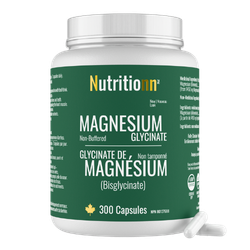
Magnesium glycinate is commonly chosen because it is often well tolerated from a digestive perspective. However, it has not been proven superior to other forms for lowering blood pressure.
Magnesium oxide contains a high proportion of elemental magnesium by weight but is generally less efficiently absorbed. Its lower absorption also contributes to its common use in laxative products.
There is no official magnesium dose for blood pressure.
In the 2025 meta-analysis:
- Trial doses ranged from 82.3 mg to 637 mg of elemental magnesium per day.
- The median dose was 365 mg per day.
- The median intervention period was 12 weeks.
- No clear dose-response relationship was found.
The adult Tolerable Upper Intake Level is 350 mg per day from magnesium supplements and medications.
This limit does not include magnesium naturally found in food. It was established mainly because higher supplemental doses increase the risk of diarrhea, nausea, and abdominal cramping.
Some clinical trials used doses above 350 mg per day, but a research dose should not automatically become a self-prescribed dose. Higher supplemental amounts should be used only with appropriate clinical guidance.
Safety matters most for people with:
- Kidney disease
- Reduced kidney function
- Multiple prescription medications
- Blood pressure treatment
- Long-term proton pump inhibitor use
- Diuretic use
- Antibiotic or bisphosphonate treatment
- Thyroid hormone treatment
Magnesium can reduce the absorption of tetracycline and quinolone antibiotics. These antibiotics are generally taken at least two hours before, or four to six hours after, a magnesium-containing supplement.
Magnesium can also reduce the absorption of oral bisphosphonates.
Loop and thiazide diuretics can increase magnesium loss, while potassium-sparing diuretics reduce magnesium excretion. Long-term proton pump inhibitor use can contribute to hypomagnesemia in some people.
Magnesium may also interfere with levothyroxine absorption.
A small 2025 crossover study in 15 healthy adults found that co-administering magnesium aspartate reduced thyroxine exposure by approximately 12%. Magnesium citrate produced a smaller, statistically non-significant reduction of approximately 7%.
The trial used powdered magnesium products in healthy volunteers, so the exact findings cannot automatically be applied to all tablets, doses, or people with hypothyroidism. Still, the researchers recommended taking levothyroxine separately from magnesium-containing products.
Follow the spacing instructions provided by your prescriber, pharmacist, and medication label.
High supplemental doses in someone with impaired kidney function can cause dangerous magnesium accumulation, leading to muscle weakness, extreme hypotension, slowed breathing, lethargy, and abnormal heart rhythms.
Never self-diagnose magnesium deficiency from symptoms alone.
Serum magnesium testing can be useful, but less than 1% of the body’s magnesium is found in serum. A normal result does not always provide a complete picture of total body magnesium, and no single laboratory test perfectly assesses magnesium status.
Results need to be interpreted alongside dietary intake, health conditions, kidney function, symptoms, and medication use.
Practical Tips: Using Magnesium As Part Of A Full Blood Pressure Plan
Magnesium contributes to normal blood pressure regulation, but it works best as one piece of a larger strategy.
Here is how to put it all together.
Check Your Current Intake
Keep a three-day food diary or use a nutrition-tracking app.
Compare your approximate magnesium intake with the Recommended Dietary Allowance for your age and sex. Remember that one unusually high or low day matters less than your usual pattern over time.
Add Magnesium-Rich Food First
Try adding one magnesium-rich food to meals you already eat:
- Greens with lunch
- Nuts or seeds as a snack
- Beans with dinner
- Whole grains in place of refined grains
- Pumpkin seeds on breakfast
This approach may improve magnesium intake without adding the digestive effects or interaction concerns that can accompany supplements.
Layer In Other Lifestyle Changes
The 2025 AHA/ACC guideline strongly recommends:
- Following a heart-healthy dietary pattern such as DASH
- Reducing sodium intake
- Increasing dietary potassium when medically appropriate
- Maintaining or working toward a healthy weight
- Moving regularly
- Managing stress
- Reducing or eliminating alcohol intake
These habits address several major contributors to elevated blood pressure and are supported by stronger evidence than magnesium supplementation alone.
Coordinate With Your Healthcare Team
Never stop or adjust blood pressure medicines on your own, even if your readings improve.
Your healthcare professional can help determine whether a supplement is appropriate, review possible medication interactions, and safely adjust your treatment if needed.
Monitor At Home Correctly
Home monitoring can help confirm a diagnosis and show whether treatment is working.
Use an authorized or independently validated automatic upper-arm monitor with the correct cuff size. The FDA has warned that unauthorized blood pressure devices may produce inaccurate measurements that can delay appropriate diagnosis or treatment.
Before measuring:
- Avoid smoking, caffeine, and exercise for 30 minutes.
- Empty your bladder.
- Rest quietly for at least five minutes.
- Sit with your back supported and both feet flat on the floor.
- Keep your legs uncrossed.
- Support your bare arm at heart level.
- Do not talk or use your phone during the measurement.
- Take two readings, approximately one minute apart, and record both.
Follow your healthcare professional’s advice about how often and when to measure. Home readings are useful, but they do not replace regular medical care.
Small, consistent actions around food, movement, medication adherence, sleep, and stress often make more difference over time than any single supplement.
Magnesium may be a useful supporting factor for selected people, but it is not a magic fix for the prevention of heart disease or stroke.
Frequently Asked Questions About Magnesium And Blood Pressure
Below are a few questions that come up often and did not fully fit into the main sections above.
How Long Does It Take For Magnesium To Affect Blood Pressure?
There is no guaranteed timeline.
The randomized trials included in the latest meta-analysis lasted at least four weeks, and the median intervention period was 12 weeks.
When a change occurs, it may therefore take several weeks of consistent use to become measurable.
Someone with hypertension and low magnesium status may respond differently from someone with normal blood pressure and adequate magnesium intake. Supplement form, adherence, medication use, overall diet, and baseline health can also influence the result.
Do not delay established treatment while waiting to see whether magnesium works. If you are testing a supplement as part of a clinician-guided plan, review your readings and any side effects with your healthcare team.
Can Magnesium Lower Blood Pressure Too Much?
In most healthy adults, magnesium from food and moderate supplemental doses is unlikely to lower blood pressure to a dangerous level.
The risk increases when:
- Kidney function is impaired
- Very high magnesium doses are used
- Several blood pressure medications are taken
- Dehydration or another medical problem is present
Excess magnesium can cause very low blood pressure, muscle weakness, lethargy, slowed breathing, and abnormal heart rhythms.
If you develop faintness, severe weakness, confusion, breathing difficulty, or an abnormal heartbeat after taking magnesium, seek medical attention.
Is It Better To Take Magnesium In The Morning Or At Night?
Timing is flexible.
There is no strong evidence that magnesium lowers blood pressure more effectively in the morning or at night.
Total daily intake, consistency, digestive tolerance, and medication spacing are usually more important than the exact hour.
Some people prefer taking magnesium with a meal to reduce stomach discomfort. Dividing a larger clinician-approved amount into more than one dose may also improve tolerance.
If you take antibiotics, bisphosphonates, levothyroxine, or other prescription medications, follow the specific spacing instructions provided by your prescriber or pharmacist.
Should I Get My Magnesium Level Tested Before Using A Supplement For Blood Pressure?
Testing may be helpful when there is a genuine reason to suspect low magnesium, such as:
- Chronic diarrhea or malabsorption
- Gastrointestinal disease
- Type 2 diabetes with poor glucose control
- Long-term heavy alcohol use
- Long-term proton pump inhibitor use
- Diuretic treatment
- Unexplained low potassium or calcium
- Symptoms or heart-rhythm changes that require medical evaluation
Serum magnesium is the most commonly used test, but it does not perfectly measure total body magnesium stores.
A normal serum result makes severe deficiency less likely, but it does not answer every question about intake or tissue stores.
No single alternative test has been established as a complete measure of magnesium status. Testing is most useful when interpreted alongside diet, medications, kidney function, symptoms, and other laboratory results.
References
Alharran, A. M., Alzayed, M. M., Jamilian, P., Prabahar, K., Kamal, A. H., Alotaibi, M. N., Elshaer, O. E., Alhatm, M., Masmoum, M. D., Hernández-Wolters, B., Sindi, R., Kord-Varkaneh, H., & Abu-Zaid, A. (2024). Impact of magnesium supplementation on blood pressure: An umbrella meta-analysis of randomized controlled trials. Current Therapeutic Research, 101, 100755. https://doi.org/10.1016/j.curtheres.2024.100755
American Heart Association. (2025a). Home blood pressure monitoring. Retrieved August 6, 2026, from https://www.heart.org/en/health-topics/high-blood-pressure/understanding-blood-pressure-readings/monitoring-your-blood-pressure-at-home
American Heart Association. (2025b). When to call 911 about high blood pressure. Retrieved August 6, 2026, from https://www.heart.org/en/health-topics/high-blood-pressure/understanding-blood-pressure-readings/when-to-call-911-for-high-blood-pressure
American Heart Association, & American College of Cardiology. (2025). 2025 AHA/ACC/AANP/AAPA/ABC/ACCP/ACPM/AGS/AMA/ASPC/NMA/PCNA/SGIM guideline for the prevention, detection, evaluation, and management of high blood pressure in adults: A report of the American College of Cardiology/American Heart Association Joint Committee on Clinical Practice Guidelines. Circulation, 152(11), e114–e218. https://doi.org/10.1161/CIR.0000000000001356
Argeros, Z., Xu, X., Bhandari, B., Harris, K., Touyz, R. M., & Schutte, A. E. (2025). Magnesium supplementation and blood pressure: A systematic review and meta-analysis of randomized controlled trials. Hypertension, 82(11), 1844–1856. https://doi.org/10.1161/HYPERTENSIONAHA.125.25129
Attinger, M. C., von Felten, S., Lourenço Rodrigues, C., Krützfeldt, J., Risch, L., & Bonzon, J. (2025). Single center, open-label, randomized crossover trial on drug-drug interactions of levothyroxine/magnesium-citrate and levothyroxine/magnesium-aspartate in healthy subjects: The ThyroMag trial. Clinical and Translational Science, 18(11), e70409. https://doi.org/10.1111/cts.70409
Guerrero-Romero, F., & Rodríguez-Morán, M. (2009). The effect of lowering blood pressure by magnesium supplementation in diabetic hypertensive adults with low serum magnesium levels: A randomized, double-blind, placebo-controlled clinical trial.
Zhang, X., Li, Y., Del Gobbo, L. C., et al. (2016). Effects of magnesium supplementation on blood pressure: A meta-analysis of randomized double-blind placebo-controlled trials. Hypertension, 68(2), 324-333. https://pmc.ncbi.nlm.nih.gov/articles/PMC5420140/
Rosanoff, A., & Plesset, M. R. (2025). Oral magnesium supplementation lowers blood pressure in adults: A systematic review and meta-analysis of 38 randomized controlled trials. Nutrients, 17(13). https://pmc.ncbi.nlm.nih.gov/articles/PMC12529988/
U.S. Food and Drug Administration. (2022). Qualified health claims: Letter regarding magnesium and reduced risk of high blood pressure. https://www.fda.gov/media/155304/download
National Institutes of Health, Office of Dietary Supplements. (2024). Magnesium: Fact sheet for health professionals. https://medlineplus.gov/ency/article/002423.htm
Asbaghi, O., et al. (2024). Effects of magnesium supplementation on blood pressure: An umbrella meta-analysis. Biological Trace Element Research. https://pmc.ncbi.nlm.nih.gov/articles/PMC11401110/
.jpg)
.jpg)
.jpg)
.jpg)
.png)

.png)
.png)
.png)