Magnesium supplements, including magnesium glycinate, have not been established as a treatment for ordinary eyelid twitching. Correcting a genuine magnesium deficiency matters, but an isolated eyelid twitch does not show that you have one.
A small flutter under one eye can be surprisingly distracting. It stops, starts again, and eventually sends you looking up magnesium for eye twitching. The reassuring part is that most isolated eye twitches are harmless and settle on their own.
If you are deciding whether to try a supplement, this guide explains what the research shows, which common triggers deserve attention, how to get enough magnesium safely, and when an eye examination is useful.
What is eyelid myokymia?
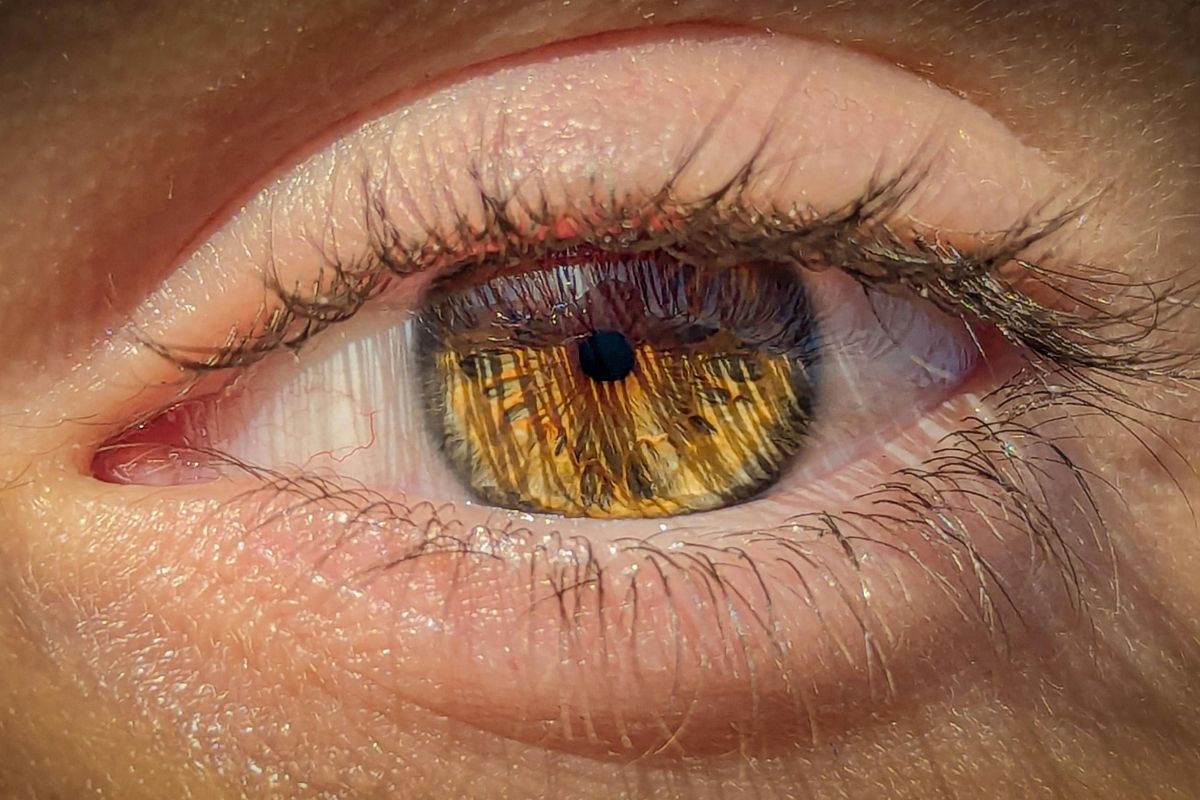
Eyelid myokymia is a fine, involuntary flutter of the orbicularis oculi, one of the eyelid muscles that closes the eye. It often affects the lower eyelid on one side, although the upper eyelid can twitch too. This is the common pattern people usually mean when they describe an eye twitch.
This is different from your eyeball moving or your vision changing. Typical myokymia is localized and non-forceful. You may notice a brief rippling sensation, followed by periods when it disappears.
What are the common triggers of eye twitching?
Stress, fatigue, lack of sleep, and caffeine are commonly reported triggers. Dry eyes can also contribute to eyelid twitching. For many people, the useful starting point is to look at what has changed recently: longer workdays, shorter nights, another afternoon coffee, or more time at a screen.
Forceful eyelid closure or twitching that spreads through one side of the face deserves a different assessment. These patterns can occur with conditions such as blepharospasm or hemifacial spasm and should not simply be treated as a nutrient problem.
Do magnesium supplements help eye twitching?
There is no established benefit of magnesium supplements for ordinary eyelid myokymia. Magnesium helps nerves and muscles function, partly through its role in moving calcium and potassium across cell membranes. Significant deficiency can cause muscle spasms. That biological role does not prove that taking extra magnesium will stop an isolated twitch.
The direct human research on eyelid twitching is limited, but two studies are especially relevant.
In a 2021 cross-sectional study, Kim and colleagues compared 72 people with eyelid myokymia with 197 controls. Serum magnesium levels did not differ significantly between the groups. Fatigue and poor sleep quality were more common among people with twitching.
A 2024 study by Gunes compared 103 people with eyelid twitching lasting more than two weeks with 103 healthy controls. Again, blood magnesium and other measured electrolyte levels did not differ significantly. The twitching group reported more daily screen time, averaging about 6.9 hours compared with 4.8 hours in the control group.
These were observational comparisons, not trials in which people received magnesium or a placebo. They cannot tell us whether supplementation would help someone with confirmed deficiency, and they cannot prove that screen time caused the twitching. They do, however, challenge the assumption that a twitching eyelid is a reliable sign of low magnesium.
The practical conclusion is measured: magnesium may have a role when there is an identified nutritional need, but taking it solely because an eyelid twitches has an uncertain payoff.
When is magnesium deficiency worth considering?
A brief eyelid flutter cannot diagnose magnesium deficiency. Neither can a checklist of common symptoms such as tiredness or muscle discomfort, because these have many possible explanations.
Magnesium status deserves more attention when there are relevant risk factors, such as a digestive condition that affects absorption, prolonged diarrhea, alcohol dependence, or certain medications. Some diuretics and long-term proton pump inhibitor use can affect magnesium levels. A clinician can review the pattern rather than relying on one symptom.
Blood testing can be useful, but it has limits. Most magnesium is in cells and bone, so a serum result does not fully describe the body's stores. That limitation is a reason to interpret testing alongside medical history and diet. It is not evidence that every person with a normal result has a hidden deficiency.
There is also a difference between eating less magnesium than recommended and having a clinically significant deficiency. Improving a low intake is worthwhile even when it does not explain the twitch. Our magnesium deficiency guide explains how symptoms, risk factors, and testing fit together.
Is magnesium glycinate the best form for eye twitching?
No magnesium form has been shown to be the best treatment for eyelid myokymia. Magnesium glycinate is an oral supplement form that can contribute to magnesium intake. Choosing it should depend on a genuine need, the elemental amount, product quality, and how well you tolerate it.
Research about absorption, sleep, or muscle cramps answers different questions. It cannot establish that glycinate specifically stops eyelid spasms. A product described as calming or gentle still needs evidence for the symptom it is being used to address.
This leaves room for a positive, realistic role. If your usual diet falls short and supplementation is appropriate, glycinate can be one way to help cover that gap. The benefit you can reasonably aim for is adequate magnesium intake. Whether the eyelid twitch improves remains uncertain.
Our magnesium forms comparison can help you understand labels and formulation differences without assuming that one form is best for every purpose.
What can you do while the twitch settles?
Review sleep, caffeine, and alcohol intake
If the twitch appeared during a stretch of late nights, making time for adequate rest is a sensible first step. Aim for a routine you can repeat rather than trying to fix the entire week in one evening.
Look at caffeine across the day, including coffee, tea, energy drinks, and pre-workout products. If your intake has increased, reducing it gradually may be more comfortable than stopping abruptly. You do not need to assume that every cup is a problem; the question is whether your current pattern coincides with symptoms. Alcohol intake is another habit worth reviewing if it seems to trigger the flutter.
Reduce digital eye strain
Long screen sessions can involve concentrated near work and fewer opportunities to rest your eyes. The 2024 study makes screen habits worth considering, although it did not test a screen-break treatment.
The American Optometric Association recommends the 20-20-20 rule for digital eye strain: every 20 minutes, look at something about 20 feet away for 20 seconds. Regular breaks, comfortable lighting, and an appropriate viewing distance can also make screen work more comfortable. These are eye-strain strategies, not a proven cure for myokymia.
If screen work regularly brings blurred vision, headaches, or discomfort, an eye examination may be more useful than adding another supplement.
Address dry eyes and stress
If your eyes feel dry or gritty, ask an eye-care professional about suitable care. Dry eye can require its own treatment, and discomfort with contact lenses is worth discussing rather than pushing through.
Stress management does not have to become another demanding project. Brief breaks, a walk, or relaxation techniques such as gentle deep breathing exercises may help you unwind. These steps can sit alongside sleep and eye care without making you responsible for eliminating all stress before a symptom improves.
How much magnesium should you take for eye twitching?
There is no established magnesium dose for eye twitching. General nutrition targets should not be presented as a treatment prescription for eyelid spasms.
For most nonpregnant adults, recommended daily magnesium intake is 310–320 mg for women and 400–420 mg for men, depending on age. These amounts include food, beverages, and supplements combined. Pregnancy and childhood have different requirements.
Start with familiar foods. Beans, lentils, nuts, seeds, whole grains, and leafy greens can all contribute magnesium. Oatmeal with seeds, a bean-based lunch, or a handful of nuts are ordinary ways to improve intake without reorganizing your entire diet.
If a supplement is appropriate, read the elemental magnesium amount per serving. The weight of the whole magnesium compound is not the amount of magnesium it provides. Our magnesium glycinate dosage guide explains that distinction.
In the United States and Canada, the adult upper intake level is 350 mg daily from supplements and medications, excluding magnesium naturally present in food. This is a safety limit for routine use, not a target to reach. A clinician may recommend a different amount for a specific medical reason.
Supplemental magnesium can cause diarrhea, nausea, and abdominal cramping. Kidney disease increases the risk of magnesium accumulating. Magnesium can also interfere with certain antibiotics and oral osteoporosis medicines. Check suitability and medicine-specific timing with a clinician or pharmacist.
How long would magnesium take to stop the twitch?
There is no evidence-based timetable for magnesium to stop ordinary eyelid twitching. Claims that it will work within a few hours or a fixed number of days go beyond the direct research.
Myokymia often fluctuates and resolves spontaneously. If you begin a supplement, reduce caffeine, and catch up on sleep at the same time, improvement cannot identify which change helped. It also cannot confirm that magnesium deficiency was the cause.
A simple note of when symptoms occur, sleep patterns, caffeine intake, and screen exposure may make a later appointment more useful. You do not need to monitor every flutter or keep increasing a supplement dose while waiting for an answer.
When does persistent eye twitching need an eye doctor?
The National Eye Institute advises seeing an eye doctor if eyelid twitching persists beyond a few weeks, closes the eye completely, or spreads to other facial muscles. Arrange an examination sooner if symptoms become troublesome or interfere with daily life. New vision changes also deserve prompt assessment.
An eye-care professional can distinguish ordinary myokymia from other causes of eyelid spasms, assess the eye surface, and review medicines or other relevant symptoms. Persistent symptoms do not mean that something serious is necessarily happening, but they deserve more than repeated supplement experiments.
If you already take magnesium for an identified reason, mention the product and elemental dose at the appointment. This helps connect nutrition advice with the rest of your care.
Frequently asked questions about magnesium for eye twitching
Does a twitching eyelid mean I am low in magnesium?
No. An isolated twitch is not a reliable deficiency test. The available comparison studies did not find significantly lower serum magnesium in people with eyelid myokymia. Diet, medical history, other symptoms, and appropriate assessment provide more useful context.
Is there a vitamin that reliably stops eye twitching?
No vitamin has been established as a routine treatment for ordinary eyelid myokymia. Magnesium is a mineral, and the same principle applies: identify a real nutritional need rather than choosing a supplement from the symptom alone.
Is magnesium citrate or glycinate better for eye twitching?
There is no reliable head-to-head evidence showing that either form works better for eyelid twitching. If supplementation is justified, choose according to your nutritional needs, tolerance, and medication considerations.
Can taking more magnesium stop persistent eye twitching?
No. Persistent twitching does not establish that your dose is too low. Increasing the dose can add side effects while leaving the actual trigger unaddressed. Review ongoing symptoms with an eye-care professional.
A useful way forward
Magnesium deserves attention as an essential nutrient. For a twitching eyelid, its most defensible role is helping meet a genuine nutritional need, while sleep, caffeine, screen habits, and eye comfort receive attention too.
There is good reason to feel reassured about a brief, isolated flutter. Start with manageable changes, eat in a way that regularly supplies magnesium, and get persistent or changing symptoms assessed. A clear explanation is more useful than a promise that one capsule will do everything.
Evidence reviewed October 24, 2026. This article provides general education and does not replace individualized medical advice, diagnosis, or treatment.
References
American Optometric Association. (n.d.). Computer vision syndrome. https://www.aoa.org/healthy-eyes/eye-and-vision-conditions/computer-vision-syndrome/the-20-20-20-rule
Eyelid myokymia. (n.d.). In EyeWiki. Retrieved October 24, 2026, from https://eyewiki.org/Eyelid_Myokymia
Gunes, I. B. (2024). Association between eyelid twitching and digital screen time, uncorrected refractive error, intraocular pressure, and blood electrolyte imbalances. Cureus, 16(9), e69249. https://doi.org/10.7759/cureus.69249
Health Canada. (n.d.). Dietary reference intakes tables: Reference values for elements. Retrieved October 24, 2026, from https://www.canada.ca/en/health-canada/services/food-nutrition/healthy-eating/dietary-reference-intakes/tables/reference-values-elements.html
Kim, J., Hyung, S. W., Han, S. K., Lee, J. Y., Yu, H.-J., & Sunwoo, M. K. (2021). Will hypomagnesemia induce benign eyelid myokymia? Korean Journal of Health Promotion, 21(4), 129–133. https://doi.org/10.15384/kjhp.2021.21.4.129
National Eye Institute. (2024, November 27). Blepharospasm. https://www.nei.nih.gov/eye-health-information/eye-conditions-and-diseases/blepharospasm
National Institutes of Health, Office of Dietary Supplements. (2021, March 22). Magnesium: Fact sheet for consumers. https://ods.od.nih.gov/factsheets/Magnesium-Consumer/
National Institutes of Health, Office of Dietary Supplements. (2026, January 6). Magnesium: Fact sheet for health professionals. https://ods.od.nih.gov/factsheets/Magnesium-HealthProfessional/