


.png)
If you have ever wondered whether something as simple as a mineral could take the edge off anxious feelings, you are not alone. Magnesium is one of the most talked-about natural options for calming the mind and body, and the interest is understandable. But does the science actually back it up?
The most accurate answer is that magnesium may help some people, particularly when their intake or magnesium status is low, but the current evidence is not strong enough to treat it as a stand-alone therapy for an anxiety disorder.
This guide breaks down what we know, what we do not know, and how to use this information practically.
Key Takeaways
- Magnesium may modestly improve self-reported anxiety or stress in some adults, but the studies are generally small, use different populations and products, and do not provide a definitive answer.
- About 48% of people in the United States consume less magnesium from food and beverages than their Estimated Average Requirement. That is not the same as saying 48% are clinically magnesium deficient. Symptomatic deficiency caused by diet alone is uncommon in otherwise healthy people.
- Magnesium participates in nervous-system signaling and stress-response regulation. It helps modulate excitatory glutamate pathways, including NMDA receptors, and may influence inhibitory GABA-related signaling. Much of the detailed mechanistic evidence, however, comes from preclinical or indirect research.
- No magnesium form has been proven to be the best form for anxiety. Glycinate is commonly chosen for tolerability, while citrate, chloride, lactate, and aspartate generally have better-established absorption data than oxide. Direct anxiety evidence for glycinate, taurate, and L-threonate remains limited.
- There is no official magnesium dose for anxiety. The adult Recommended Dietary Allowance is 400 to 420 mg for men and 310 to 320 mg for women from all sources. The U.S. upper limit for magnesium from supplements and medications is 350 mg per day unless a healthcare professional recommends otherwise.
- Magnesium is not a replacement for evidence-based mental health care. Psychological interventions based on cognitive behavioral therapy, and medications when appropriate, have much stronger evidence for diagnosed anxiety disorders.
What Is Magnesium And Why Does It Matter For Anxiety?
Magnesium is one of the essential minerals your body relies on for more than 300 biochemical reactions. It supports energy production, muscle function, nerve signaling, blood glucose control, and blood pressure regulation.
Your nervous system also depends on magnesium to help keep electrical activity balanced.
Think of magnesium as one of the gatekeepers on nerve cells. It helps regulate certain channels and receptors that determine how easily a nerve signal can continue. This includes the NMDA receptor, part of the brain’s main excitatory glutamate system.
Magnesium does not simply “switch anxiety off.” Instead, adequate magnesium supports the normal balance between signals that activate the nervous system and signals that help restrain excessive activity.
Your body cannot make magnesium on its own. It must come from food sources such as leafy greens, nuts, seeds, legumes, and whole grains, or from supplements when needed.
The challenge is that many diets contain less magnesium than recommended. Refining grains removes much of their magnesium-rich germ and bran, and diets low in legumes, vegetables, nuts, and seeds may provide relatively little magnesium.
That does not mean everyone with a low dietary intake has a deficiency or that every anxious feeling reflects a mineral problem. Healthy kidneys can conserve magnesium when intake drops. Still, a consistently low intake may become more relevant when it occurs alongside gastrointestinal disease, diabetes, alcohol dependence, certain medications, or other factors that increase magnesium loss.
Magnesium is therefore one part of a broader picture that includes sleep, psychological support, movement, nutrition, medication when appropriate, and the circumstances creating the anxiety. It is not a cure-all for anxiety relief.
Can Magnesium Deficiency Make Anxiety Worse?
Not getting enough magnesium over time is relatively common.
An analysis of U.S. dietary survey data found that 48% of Americans of all ages consumed less magnesium from food and beverages than their Estimated Average Requirement.
However, low intake, magnesium inadequacy, and clinical magnesium deficiency are not interchangeable terms.
The Estimated Average Requirement is designed to estimate the intake needed by half of healthy people within a population group. Falling below it suggests a greater likelihood of inadequate intake, but it does not diagnose deficiency in an individual.
Symptomatic magnesium deficiency from diet alone is uncommon in otherwise healthy people because the kidneys reduce urinary magnesium losses when intake is low.
When deficiency does develop, early symptoms may include:
- Loss of appetite
- Nausea or vomiting
- Fatigue
- Weakness
More significant deficiency may cause:
- Numbness or tingling
- Muscle contractions and cramps
- Seizures
- Personality changes
- Abnormal heart rhythms
Some of these symptoms can overlap with physical experiences that occur during anxiety, but they are not specific to anxiety. Palpitations, chest tightness, tremor, poor sleep, and fatigue can have many possible causes and should not automatically be attributed to magnesium.
Researchers have proposed a “magnesium and stress vicious circle.” Stress may influence magnesium metabolism and urinary losses, while low magnesium status may make stress-regulation systems more reactive. This is biologically plausible, but it does not mean every period of stress causes magnesium deficiency or that magnesium supplementation will resolve chronic anxiety.
Standard blood testing also has limitations. Less than 1% of the body’s magnesium is found in serum, while most is stored in bone and soft tissue. Serum magnesium remains the most commonly used clinical test, but it does not perfectly reflect total body stores.
Other tests, including red blood cell, urine, and ionized magnesium measurements, are available in some settings, but no single test is considered a complete measure of magnesium status. A clinical assessment, dietary history, medication review, and laboratory results may all be relevant.
Risk factors for magnesium inadequacy or deficiency include:
- Gastrointestinal conditions such as Crohn’s disease or celiac disease
- Chronic diarrhea or malabsorption
- Type 2 diabetes, particularly when blood glucose is poorly controlled
- Long-term heavy alcohol use
- Long-term use of proton pump inhibitors
- Some loop and thiazide diuretics
- Older age
- Diets low in legumes, nuts, seeds, whole grains, and green vegetables
High caffeine intake is sometimes discussed online as a major cause of magnesium deficiency. Caffeine can temporarily influence urinary mineral excretion, but it is not listed among the major established risk groups in current NIH guidance.
How Could Magnesium Biologically Help With Anxiety?
Understanding the mechanisms helps explain why correcting a low magnesium status might affect anxious feelings in some people.
Stress response regulation
Magnesium participates in regulation of the HPA axis, or hypothalamic-pituitary-adrenal axis.
This is the communication system connecting the brain with the adrenal glands. It helps control the release of cortisol and other hormones involved in responding to stress.
Experimental research suggests low magnesium status may increase HPA-axis reactivity. Magnesium supplementation may help normalize some stress-related signals when magnesium status is low, but it should not be described as a direct or guaranteed way to “lower cortisol.”
Balancing excitatory brain signaling
Glutamate is the brain’s main excitatory neurotransmitter. One of its receptors is called the NMDA receptor.
Magnesium normally sits within the NMDA receptor channel and helps prevent excessive activation when the nerve cell is at rest. Low magnesium availability may make this excitatory pathway easier to activate.
Magnesium may also influence GABA-related signaling. GABA is the brain’s primary inhibitory neurotransmitter, meaning it helps reduce excessive nerve activity.
It is more accurate to say that magnesium modulates the balance between excitatory and inhibitory signaling than to say it simply “produces GABA” or works like an anti-anxiety medication.
Sleep support
Poor sleep can amplify anxiety, emotional reactivity, and physical stress symptoms.
Some magnesium trials have reported improvements in sleep-related outcomes, while others have found no meaningful change. The evidence varies depending on the population, dose, form, and method used to measure sleep.
If a person has low magnesium intake and their sleep improves after correcting it, this could indirectly make daytime stress easier to manage. That is different from proving that magnesium directly treats an anxiety disorder.
Physical symptoms
Magnesium is required for normal muscle contraction, nerve function, heart rhythm, and blood pressure regulation.
Correcting a true deficiency may improve cramps, weakness, or abnormal heart rhythms caused by that deficiency. However, chest tightness, persistent palpitations, faintness, or a new rapid heartbeat should not be self-treated as “anxiety” with magnesium. These symptoms may require medical evaluation.
Magnesium supplementation can also produce a modest reduction in blood pressure in some populations, particularly people with hypertension or hypomagnesemia. The average effect is small and should not be interpreted as an anxiety treatment.
Research suggests these pathways are plausible, though they do not guarantee symptom relief for everyone.
What Does The Research Say About Magnesium And Anxiety?
The short answer is that magnesium supplementation may improve self-reported anxiety or stress in some people, but the evidence remains limited and inconsistent.
A 2024 systematic review examined 15 intervention studies involving magnesium and anxiety or sleep.
Seven studies measured anxiety-related outcomes. Five reported an improvement in at least one self-reported anxiety measure.
That sounds encouraging, but there are important limitations:
- Most studies were small.
- The populations varied considerably.
- Doses and magnesium forms were inconsistent.
- Some studies used magnesium alongside vitamin B6, plant extracts, fish-derived peptides, or other potentially active ingredients.
- The review did not calculate one pooled effect size.
- Most participants had mild symptoms, specific vulnerabilities, or stress-related complaints rather than a broad range of formally diagnosed anxiety disorders.
The review’s authors concluded that magnesium is potentially useful for mild anxiety and sleep complaints, especially when baseline magnesium status is low, but they also emphasized the need for larger and better-designed randomized trials.
An eight-week randomized trial offers another useful example.
The trial included 264 adults with stress and low serum magnesium. Participants received either:
- 300 mg elemental magnesium per day
- 300 mg elemental magnesium plus 30 mg vitamin B6 per day
Stress scores fell by 42.4% in the magnesium-only group and 44.9% in the magnesium-plus-B6 group. The combination was not superior overall.
A preplanned subgroup with severe or extremely severe stress experienced a greater improvement with magnesium plus vitamin B6, but this subgroup result should not be generalized to everyone with anxiety.
The trial also studied stress rather than establishing magnesium as a treatment for generalized anxiety disorder. In addition, several investigators were employees of or had relationships with the company funding the products.
Another result often quoted online is that 41.9% of participants achieved at least a 50% reduction in anxiety scores after four weeks.
That finding did not come from a randomized trial of magnesium alone.
It came from a 2022 uncontrolled observational study in people with adjustment disorder with anxiety. The supplement contained:
- Magnesium bisglycinate and another magnesium complex
- Vitamin B6
- Bioactive peptides from a fish protein hydrolysate
Because there was no placebo group and several active ingredients were included, the improvement cannot be attributed specifically to magnesium. Several study authors also worked for the company that sponsored the product. The result is interesting, but it should not be presented as evidence that 300 mg of magnesium alone produced a 41.9% response rate.
Overall, the research gives us a signal worth investigating, not a settled treatment recommendation.
Magnesium may be most relevant when:
- Dietary intake is low
- A person has a known risk factor for magnesium loss
- Symptoms are mild
- It is used as an adjunct rather than a replacement for care
- The dose, product, medications, and kidney function have been reviewed appropriately
There is not enough evidence to conclude that magnesium treats moderate or severe anxiety disorders on its own.
Best Forms Of Magnesium For Anxiety Support: What We Actually Know
When we talk about forms of magnesium, we mean the compound magnesium is paired with, whether that is an amino acid, organic acid, or mineral salt.
This pairing can affect:
- Solubility
- Absorption
- Elemental magnesium content
- Digestive tolerance
- Capsule size and number
- Price
No magnesium form has been proven to be the best form for anxiety.
The 2024 systematic review could not determine an optimal form because the products, doses, and study designs varied so much. In fact, many of the included anxiety and sleep studies used magnesium oxide, even though oxide is not usually considered the best-absorbed option.
The Supplement Facts panel lists the amount of elemental magnesium, not the total weight of the full magnesium compound. For example, 500 mg of magnesium glycinate compound does not necessarily provide 500 mg of elemental magnesium.
Magnesium Glycinate
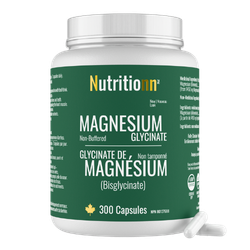
Magnesium glycinate, more precisely called magnesium bisglycinate in many fully chelated products, is magnesium bound to glycine.
It is commonly chosen because many people find it easier to tolerate than more laxative forms. It is also widely marketed for sleep, stress, and relaxation.
However, direct randomized trials showing that magnesium glycinate is more effective for anxiety than citrate, chloride, oxide, or other forms are lacking.
Glycine has its own roles in nervous-system function, but the presence of glycine in the compound does not prove that a standard magnesium glycinate supplement has a clinically meaningful anti-anxiety effect.
Magnesium glycinate can therefore be a practical option based on tolerance and elemental dose. It should not be described as a form proven specifically for anxiety.
Magnesium Taurate
Magnesium taurate combines magnesium with taurine.
Taurine is involved in cellular signaling, cardiovascular function, and nervous-system biology. This has led to magnesium taurate being marketed for calmness, heart rhythm, and physical anxiety symptoms.
Direct human trials evaluating magnesium taurate as a treatment for anxiety are extremely limited. There is not enough evidence to say it is more calming, more heart-protective, or more effective for palpitations than other well-tolerated forms.
Palpitations should also not be treated automatically with magnesium, especially if they are new, frequent, accompanied by faintness, or associated with chest pain.
Magnesium L-Threonate
Magnesium L-threonate was developed from preclinical research aimed at increasing magnesium delivery to the brain.
Animal data suggested that it could raise brain magnesium concentrations. Human trials have explored sleep, cognition, pain, and daytime functioning, but they do not establish magnesium L-threonate as a proven anxiety treatment.
A 2024 randomized trial reported improvements in some sleep and daytime-functioning outcomes in adults with self-reported sleep problems. That study did not establish superiority for treating anxiety, and the product manufacturer was involved in the research.
Magnesium L-threonate also tends to provide relatively little elemental magnesium per gram of compound, often requires several capsules, and is usually more expensive.
It may be a reasonable product for someone who understands those limitations, but “crosses the blood-brain barrier” should not be used as shorthand for “works better for anxiety.”
Other Common Forms: Citrate, Oxide, Malate, And More
Magnesium citrate is widely available and generally better absorbed than magnesium oxide. It can have a laxative effect, which may be helpful for constipation but unwanted in someone with a sensitive digestive system.
Magnesium oxide contains a high proportion of elemental magnesium by weight but is usually absorbed less efficiently. It is also commonly used as a laxative and may cause loose stools. Interestingly, oxide was used in several anxiety and sleep studies, which is another reason we cannot assume that one premium-marketed form is necessary.
Magnesium chloride, lactate, and aspartate have established human absorption data and are generally more bioavailable than oxide.
Magnesium malate is often marketed for energy or fatigue because malate participates in energy metabolism. Direct evidence for anxiety relief is lacking.
A 2021 systematic review concluded that organic magnesium formulations tend to be more bioavailable than inorganic formulations overall, but study methods varied and the clinical importance of these absorption differences is not always clear.
For someone considering a supplement, the most useful criteria are:
- The elemental magnesium amount
- Digestive tolerance
- Whether the product is buffered with magnesium oxide
- Medication interactions
- Kidney function
- Independent quality testing
- Cost and ability to use it consistently
The form should be selected around the person, not around a universal “best for anxiety” claim.
How Much Magnesium Should You Take For Anxiety?
There is no official “anxiety dose” for magnesium.
Current recommendations are based on total daily magnesium needs, not anxiety treatment.
Recommended Daily Intake From All Sources
Adult women, ages 19 to 30: 310 mg per day
Adult women, ages 31 and older: 320 mg per day
Adult men, ages 19 to 30: 400 mg per day
Adult men, ages 31 and older: 420 mg per day
Pregnancy, ages 19 to 30: 350 mg per day
Pregnancy, ages 31 to 50: 360 mg per day
Breastfeeding, ages 19 to 30: 310 mg per day
Breastfeeding, ages 31 to 50: 320 mg per day
These figures include magnesium from food, beverages, supplements, and medications.
The anxiety-related trials reviewed in 2024 used widely different doses. Two of the studies reporting some of the largest improvements used 300 mg of elemental magnesium, but both also included other potentially active ingredients.
That means 300 mg should not be interpreted as a validated treatment dose for anxiety.
The U.S. Tolerable Upper Intake Level is 350 mg per day from magnesium supplements and medications for adults. It does not include magnesium naturally present in food.
The upper limit was established mainly because supplemental magnesium can cause diarrhea, nausea, and abdominal cramping. It is not a threshold at which food magnesium suddenly becomes unsafe.
Higher supplemental doses are sometimes used medically, including for migraine prevention, but these doses should be supervised by a qualified healthcare professional.
If supplementation is being considered, calculate the total from:
- Stand-alone magnesium supplements
- Multivitamins
- Electrolyte powders
- Sleep products
- Antacids or laxatives containing magnesium
- Fortified products
A Supplement Facts panel should state the elemental amount per serving.
Starting with a lower supplemental amount may improve digestive tolerance, but this is a tolerability strategy rather than an evidence-based anxiety protocol.
Side Effects, Interactions, And Who Should Avoid High Doses
Common side effects of magnesium supplements include:
- Loose stools
- Diarrhea
- Abdominal cramping
- Nausea
- Stomach discomfort
These effects are more likely with larger doses, poorly absorbed forms, and doses taken all at once.
Healthy kidneys usually excrete excess magnesium. Serious toxicity from standard oral supplements is rare in healthy adults.
The risk is much higher when kidney function is impaired because the body may not be able to remove excess magnesium effectively.
Warning signs of significant magnesium toxicity can include:
- Marked muscle weakness
- Very low blood pressure
- Confusion or lethargy
- Slowed breathing
- Irregular heart rhythm
- Cardiac arrest in severe cases
These require urgent medical care.
Important Medication Interactions
Tetracycline and quinolone antibiotics:
Magnesium can bind to these antibiotics and reduce their absorption. NIH guidance recommends taking the antibiotic at least two hours before, or four to six hours after, a magnesium-containing supplement.
Oral bisphosphonates:
Magnesium can reduce absorption of medications such as alendronate. Separate the doses by at least two hours.
Levothyroxine:
A 2025 crossover trial found that taking magnesium aspartate with levothyroxine reduced thyroxine exposure by about 12%, while magnesium citrate produced a smaller, non-significant reduction of 7%. The study was small and used powdered magnesium in healthy volunteers, but it supports separating magnesium from levothyroxine. Many levothyroxine product instructions use a four-hour separation for mineral supplements. Follow the prescriber’s or product’s specific instructions.
Diuretics:
Loop and thiazide diuretics can increase urinary magnesium loss. Potassium-sparing diuretics can reduce magnesium excretion.
Proton pump inhibitors:
Long-term use may cause low magnesium levels in some people. In certain cases, magnesium levels do not normalize until the PPI is discontinued under medical supervision.
Blood pressure medication:
Magnesium can modestly lower blood pressure in some people. Anyone taking antihypertensive medication should review supplementation with their clinician, especially if they experience dizziness or low blood pressure.
People with chronic kidney disease, reduced kidney function, complex heart-rhythm disorders, or significant neuromuscular disease should not begin high-dose magnesium without specialist guidance.
Food Sources Of Magnesium And Lifestyle Tips For Calmer Days
A food-first approach is a sensible foundation.
Magnesium-rich foods also provide fiber, protein, healthy fats, antioxidants, potassium, and other nutrients that support physical and mental health.
Magnesium-Rich Foods
Pumpkin seeds, roasted, 1 oz (28 g): approximately 156 mg
Chia seeds, 1 oz (28 g): approximately 111 mg
Almonds, dry roasted, 1 oz (28 g): approximately 80 mg
Spinach, cooked, ½ cup: approximately 78 mg
Cashews, dry roasted, 1 oz (28 g): approximately 74 mg
Dark chocolate, 70% to 85%, 1 oz (28 g): approximately 65 mg
Black beans, cooked, ½ cup: approximately 60 mg
Edamame, cooked and shelled, ½ cup: approximately 50 mg
Peanut butter, 2 tablespoons: approximately 49 mg
Brown rice, cooked, ½ cup: approximately 42 mg
Avocado, cubed, ½ cup: approximately 22 mg
Food values are approximate and vary by brand, variety, and preparation.
A simple daily pattern could include:
- A serving of nuts or seeds
- At least one meal containing legumes or leafy greens
- Whole grains in place of refined grains when practical
- A varied diet rather than relying on one “magnesium superfood”
Extremely high-dose zinc supplements can interfere with magnesium balance. Long-term heavy alcohol use, digestive disease, poorly controlled diabetes, and certain medications are much more established concerns than ordinary intake of coffee or soda.
Magnesium also works within a larger lifestyle context.
Consistent sleep timing, regular movement, reducing excessive alcohol use, balanced meals, and evidence-based stress-management techniques can all support mental health.
Think of magnesium as one tool in a larger toolkit, not the entire toolbox.
When Magnesium Is Not Enough: When To Seek Professional Help
Self-care strategies, including improving magnesium intake, may be helpful. But there are situations where professional evaluation is essential.
Signs that warrant support include:
- Anxiety that interferes with work, relationships, sleep, or daily functioning
- Panic attacks or intense physical symptoms that feel uncontrollable
- Symptoms that persist for several weeks or continue to worsen
- Avoiding important places, situations, or responsibilities because of fear
- Co-occurring depression
- Heavy reliance on alcohol, cannabis, sedatives, or other substances to cope
- Thoughts of self-harm or suicide
If you are having thoughts of harming yourself, contact local emergency services or a crisis service immediately. Do not wait to see whether a supplement helps.
Anxiety disorders have effective treatments.
The World Health Organization recommends brief, structured psychological interventions based on cognitive behavioral therapy principles for generalized anxiety disorder and panic disorder. Antidepressant medications such as SSRIs may also be appropriate for some adults.
A mental health professional can help determine whether the symptoms reflect an anxiety disorder, another health condition, a medication effect, or several factors occurring together.
If you are taking prescription medications for blood pressure, heart rhythm, diabetes, thyroid disease, or mood, discuss any new supplement with your healthcare provider or pharmacist.
Seeking help is not a sign that self-care has failed. Magnesium may be a useful adjunct in selected situations, but it should not delay care that has stronger evidence.
FAQ
How quickly can magnesium start helping with anxiety?
There is no reliable, evidence-based timeline.
Most intervention studies assessed anxiety or stress outcomes after approximately four to eight weeks. That does not mean everyone should expect an effect during that period.
Some people may notice changes in sleep, muscle tension, or digestive function sooner, but those observations do not prove that an anxiety disorder is improving.
If symptoms are severe, worsening, or affecting daily function, do not wait several weeks for a supplement to work before seeking support.
Is it better to take magnesium in the morning or at night for anxiety?
There is no strong evidence that magnesium works better for anxiety at a specific time of day.
Many people prefer evening use because it fits their routine or because they associate it with sleep. That preference does not establish a unique nighttime effect.
Taking magnesium with food may improve stomach tolerance. Dividing a larger daily dose may also reduce gastrointestinal side effects, although it has not been proven to make magnesium more effective for anxiety.
Medication spacing is more important than morning versus evening timing.
Can magnesium help with both anxiety and depression at the same time?
Anxiety and depression often occur together, and magnesium is being studied in both conditions.
A 2023 meta-analysis of seven randomized trials involving 325 adults with depressive disorders found a reduction in depression scores with magnesium supplementation. However, the trials were small, varied in quality, used different forms and doses, and showed substantial heterogeneity.
That evidence does not establish magnesium as a substitute for psychotherapy or antidepressant treatment.
Anyone with moderate to severe depression, major loss of function, or thoughts of self-harm needs professional evaluation.
Does magnesium lower blood pressure enough to affect anxiety?
Magnesium may modestly lower blood pressure, particularly in people with hypertension or low magnesium status.
A 2025 meta-analysis of 38 randomized trials involving 2,709 participants found average reductions of approximately:
- 2.81 mmHg in systolic blood pressure
- 2.05 mmHg in diastolic blood pressure
The effects were larger in some participants with hypertension or hypomagnesemia, but results varied substantially across studies.
This does not mean magnesium treats anxiety by lowering blood pressure.
Palpitations, chest discomfort, faintness, or significant blood-pressure changes should be medically assessed rather than assumed to be physical anxiety symptoms.
Are topical magnesium sprays or Epsom salt baths useful for anxiety?
A warm bath can feel relaxing, and a bedtime ritual may help the body wind down.
That does not necessarily mean a clinically meaningful amount of magnesium has entered the bloodstream.
Evidence for magnesium absorption through healthy, intact skin remains weak. A 2026 laboratory study using intact porcine skin found minimal magnesium permeation, while absorption increased dramatically only after the skin barrier was deliberately damaged.
A small 2017 human pilot study reported uncertain results, with statistical significance appearing only in a subgroup. A 2025 randomized trial found no benefit from a commercial magnesium gel for exercise recovery.
Topical products may still feel soothing, but they should not be relied on to correct low magnesium intake or treat anxiety. Avoid applying concentrated products to broken or irritated skin.
The Bottom Line
Magnesium is biologically relevant to the nervous system, and early clinical research suggests it may modestly improve self-reported anxiety or stress in some adults.
The strongest case is likely among people who have low magnesium intake, low magnesium status, or a health condition that increases magnesium losses.
But the evidence remains too limited to say that magnesium treats anxiety disorders reliably.
There is no proven best form, no official anxiety dose, and no guarantee that a person with normal magnesium status will feel calmer after taking a supplement.
A sensible approach is to:
- Build a magnesium-rich diet first
- Review medications and kidney function before supplementing
- Choose a tolerable product based on elemental magnesium rather than marketing claims
- Avoid exceeding supplemental upper limits without professional guidance
- Treat magnesium as a possible adjunct, not the foundation of anxiety care
The goal is not to turn every anxious feeling into a nutrient deficiency.
It is to understand where nutrition may help, where the evidence remains incomplete, and when stronger support is needed.
References
Argeros, Z., Xu, X., Bhandari, B., Harris, K., Touyz, R. M., & Schutte, A. E. (2025). Magnesium supplementation and blood pressure: A systematic review and meta-analysis of randomized controlled trials. Hypertension, 82(11), 1844–1856. https://doi.org/10.1161/HYPERTENSIONAHA.125.25129
Attinger, M. C., von Felten, S., Lourenço Rodrigues, C., Krützfeldt, J., Risch, L., & Bonzon, J. (2025). Single center, open-label, randomized crossover trial on drug-drug interactions of levothyroxine/magnesium-citrate and levothyroxine/magnesium-aspartate in healthy subjects: The ThyroMag trial. Clinical and Translational Science, 18(11), e70409. https://doi.org/10.1111/cts.70409
Boyle, N. B., Lawton, C., & Dye, L. (2017). The effects of magnesium supplementation on subjective anxiety and stress: A systematic review. Nutrients, 9(5), 429. https://doi.org/10.3390/nu9050429
Camili, V., Stürup, S., & Heinz, A. (2026). Does magnesium permeate the skin? An ex vivo investigation of magnesium ion delivery through intact and barrier-disrupted skin. European Journal of Pharmaceutics and Biopharmaceutics, 226, 115173. https://doi.org/10.1016/j.ejpb.2026.115173
Coates, A. M., Patel, D. V., Binet, E. R., & Gibala, M. J. (2025). No effect of topical application of a commercial magnesium gel on exercise recovery in active individuals. International Journal of Sport Nutrition and Exercise Metabolism, 35(5), 416–423. https://doi.org/10.1123/ijsnem.2025-0034
Hausenblas, H. A., Lynch, T., Hooper, S., Shrestha, A., Rosendale, D., & Gu, J. (2024). Magnesium-L-threonate improves sleep quality and daytime functioning in adults with self-reported sleep problems: A randomized controlled trial. Sleep Medicine X, 8, 100121. https://doi.org/10.1016/j.sleepx.2024.100121
Kirkland, A. E., Sarlo, G. L., & Holton, K. F. (2018). The role of magnesium in neurological disorders. Nutrients, 10(6), 730. https://doi.org/10.3390/nu10060730
Moabedi, M., Aliakbari, M., Erfanian, S., & Milajerdi, A. (2023). Magnesium supplementation beneficially affects depression in adults with depressive disorder: A systematic review and meta-analysis of randomized clinical trials. Frontiers in Psychiatry, 14, 1333261. https://doi.org/10.3389/fpsyt.2023.1333261
National Institutes of Health, Office of Dietary Supplements. (n.d.). Magnesium: Fact sheet for health professionals. Retrieved August 1, 2026, from https://ods.od.nih.gov/factsheets/Magnesium-HealthProfessional/
Noah, L., Dye, L., Bois De Fer, B., Mazur, A., Pickering, G., & Pouteau, E. (2021). Effect of magnesium and vitamin B6 supplementation on mental health and quality of life in stressed healthy adults: Post-hoc analysis of a randomized controlled trial. Stress and Health, 37(5), 1010–1023. https://doi.org/10.1002/smi.3051
Oddoux, S., Violette, P., Cornet, J., Akkoyun-Farinez, J., Besnier, M., Noël, A., & Rouillon, F. (2022). Effect of a dietary supplement combining bioactive peptides and magnesium on adjustment disorder with anxiety: A clinical trial in general practice. Nutrients, 14(12), 2425. https://doi.org/10.3390/nu14122425
Pardo, M. R., Garicano Vilar, E., San Mauro Martín, I., & Camina Martín, M. A. (2021). Bioavailability of magnesium food supplements: A systematic review. Nutrition, 89, 111294. https://doi.org/10.1016/j.nut.2021.111294
Pickering, G., Mazur, A., Trousselard, M., Bienkowski, P., Yaltsewa, N., Amessou, M., Noah, L., & Pouteau, E. (2020). Magnesium status and stress: The vicious circle concept revisited. Nutrients, 12(12), 3672. https://doi.org/10.3390/nu12123672
Pouteau, E., Kabir-Ahmadi, M., Noah, L., Mazur, A., Dye, L., Hellhammer, J., Pickering, G., & Dubray, C. (2018). Superiority of magnesium and vitamin B6 over magnesium alone on severe stress in healthy adults with low magnesemia: A randomized, single-blind clinical trial. PLOS ONE, 13(12), e0208454. https://doi.org/10.1371/journal.pone.0208454
Rawji, A., Peltier, M. R., Mourtzanakis, K., Awan, S., Rana, J., Pothen, N. J., & Afzal, S. (2024). Examining the effects of supplemental magnesium on self-reported anxiety and sleep quality: A systematic review. Cureus, 16(4), e59317. https://doi.org/10.7759/cureus.59317
World Health Organization. (2025). Anxiety disorders. https://www.who.int/news-room/fact-sheets/detail/anxiety-disorders
.jpg)
.jpg)
.jpg)
.jpg)
.png)

.png)
.png)
.png)